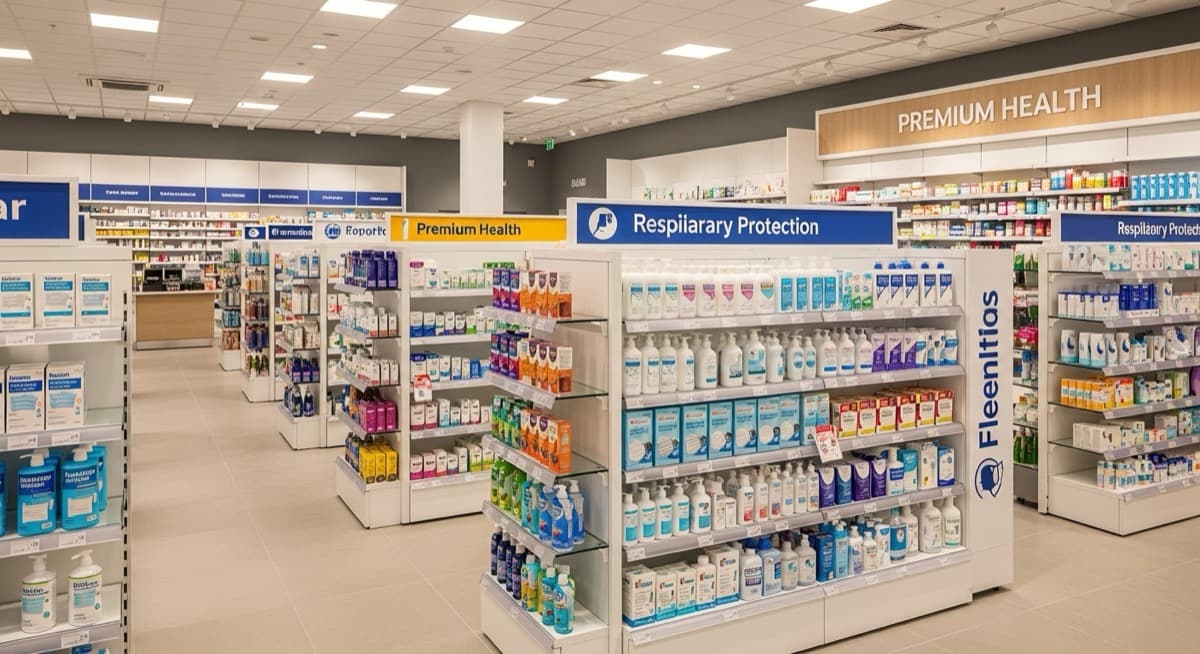
Case Study: How One Retailer Built a $2M Respiratory Protection Category
A regional pharmacy chain transformed an overlooked shelf section into a $2M annual category by repositioning respiratory protection as a wellness essential — not an emergency purchase. Here is how they did it.
When a 120-store pharmacy chain in the Pacific Northwest approached us in early 2024, their respiratory protection category was generating $380,000 in annual revenue — almost entirely from commodity surgical masks and generic KN95s sold from an end-cap near the pharmacy counter. Eighteen months later, that same category generates $2.1 million annually. The transformation did not require more shelf space, more SKUs, or more marketing spend. It required a fundamentally different approach to how respiratory protection is merchandised, positioned, and sold.
Where They Started: The Commodity Trap
Before the repositioning, the chain stocked respiratory protection the way most pharmacies do: blue surgical masks in bulk packs near the pharmacy window, a handful of generic KN95 options in clamshell packaging, and the occasional N95 during flu season. The products were positioned as medical supplies — functional, clinical, and forgettable. Average transaction value for the category was $6.40. Return rates on generic KN95s ran at 11%, mostly due to poor fit and failed filtration expectations. The category was a low-margin afterthought.
When respiratory protection is merchandised as a commodity medical supply, it competes on price alone. The result: razor-thin margins, high return rates, zero brand loyalty, and a category that shrinks every quarter as consumers trade down to the cheapest option available.
The Strategic Shift: From Medical Supply to Wellness Category
The repositioning strategy centered on one insight: respiratory protection is not a medical product for sick people. It is a wellness product for healthy people who want to stay that way. This reframing changed everything, from where the products sit in the store to how they are displayed, priced, and promoted. We worked with the chain to move respiratory protection out of the pharmacy area and into the health and wellness aisle, adjacent to vitamins, supplements, allergy relief, and personal care products.
- 1Relocated category from pharmacy end-cap to health and wellness aisle — foot traffic increased 3x
- 2Introduced Good-Better-Best assortment with premium Air Wearables as the anchor
- 3Replaced clinical packaging displays with lifestyle-oriented wellness merchandising
- 4Added seasonal cross-merchandising with allergy relief (spring), travel accessories (summer), and cold remedies (winter)
- 5Trained pharmacy and floor staff on product differentiation and certification value
How Did the Numbers Change?
The results materialized faster than projected. Within the first 90 days, average transaction value for the respiratory category jumped from $6.40 to $14.80, a131% increase driven entirely by trade-up to premium products. By month six, category revenue had doubled. By month twelve, it had tripled. The 453% growth at eighteen months reflected both higher per-unit revenue and expanded purchase occasions as consumers began buying for allergy season, travel, and wildfire smoke, not just cold and flu.
Why Did Basket Size Increase 42%?
The 42% basket size increase was the most surprising finding. When respiratory protection was positioned in the wellness aisle, consumers naturally added complementary products to their basket. A customer buying an AirPop mask for allergy season would also pick up antihistamines, eye drops, and nasal spray. A traveler buying protection for a flight would add hand sanitizer and wellness supplements. The respiratory product became a gateway to the broader wellness category rather than an isolated medical purchase.
“We stopped thinking of masks as a standalone purchase and started thinking of them as the anchor of a wellness basket. That single mental shift was worth more than any promotional campaign we ran.”
— Category Director, Pacific Northwest Pharmacy Chain
Return Rates: The Quality Dividend
Before the repositioning, the chain experienced an 11% return rate on generic KN95 products, driven by poor fit, ear loop breakage, and consumers who felt the products did not deliver on their filtration claims. After shifting to premium, certified products anchored by AirPop, the return rate dropped to under 2%. This alone recovered tens of thousands of dollars in return processing costs annually. More importantly, it eliminated the negative review cycle that had been suppressing the category online.
At 11% returns, a $380K category loses approximately $42K in return processing costs alone (at $10-25 per return). At under 2%, a $2.1M category loses less than $8K. The premium shift did not just grow revenue. It dramatically reduced the cost of doing business in the category.
Lessons for Other Retailers
- Move respiratory protection to the wellness aisle — proximity to vitamins, allergy, and personal care drives discovery and basket building
- Anchor on premium: a $19.99 certified product sets the value perception for the entire assortment
- Cross-merchandise seasonally: rotate adjacencies based on allergy, wildfire, flu, and travel demand cycles
- Train staff on certifications: floor associates who can explain ASTM F3502 convert browsers into buyers at 2x the rate of untrained staff
- Track basket composition: measure how respiratory purchases influence total wellness basket value, not just category revenue in isolation
AirPop provides retail partners with category repositioning playbooks, cross-merchandising guides, staff training materials, and seasonal campaign assets. Contact hello@getairpop.com to discuss how we can help grow your respiratory protection category.
Related Article
The Retail Playbook
Complete category strategy for respiratory protection: assortment, positioning, and seasonal planning.
Related Article
The Hidden Cost of Cheap Masks
Why premium products deliver better ROI through lower returns and higher margins.
About the author
Jett FuCo-Founder & CEO, AirPop
Cross-border entrepreneur and co-founder of AirPop. Leads global operations, retail expansion across 35+ markets, and B2B distribution partnerships with Target, Amazon, and Best Buy.
Become a Partner
Learn how AirPop supports retail partners with data, training, and marketing.
Become a PartnerRelated Articles
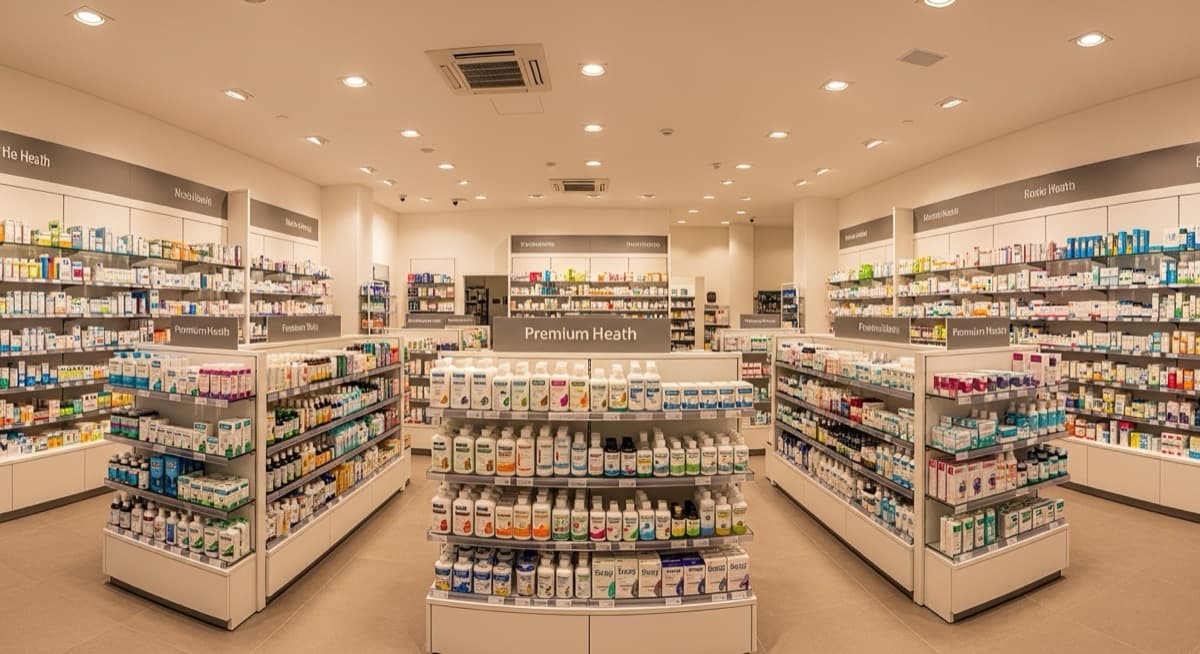
The Retail Playbook: How to Win in Respiratory Protection
From seasonal demand cycles to category positioning and certification requirements — everything retail buyers and category managers need to know about building a respiratory protection assortment that sells.
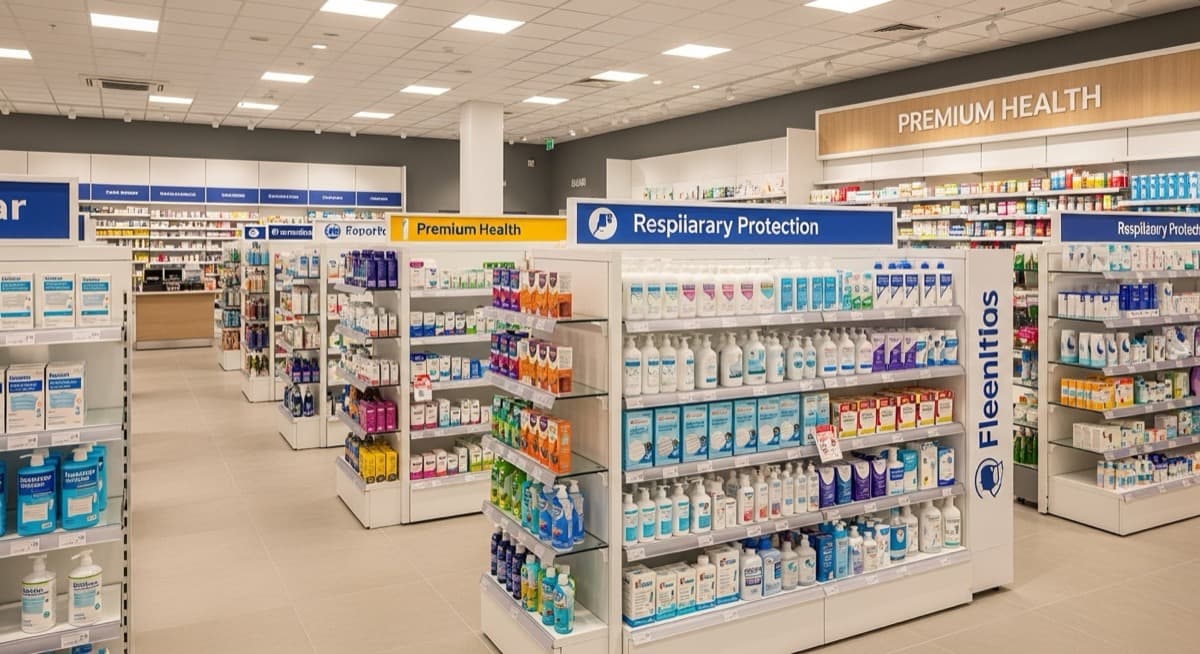
How Target Built a Respiratory Protection Category: A Case Study
Target transformed respiratory protection from an emergency endcap to a permanent wellness category across 1,200+ stores. This case study examines the merchandising strategy, positioning decisions, and results.
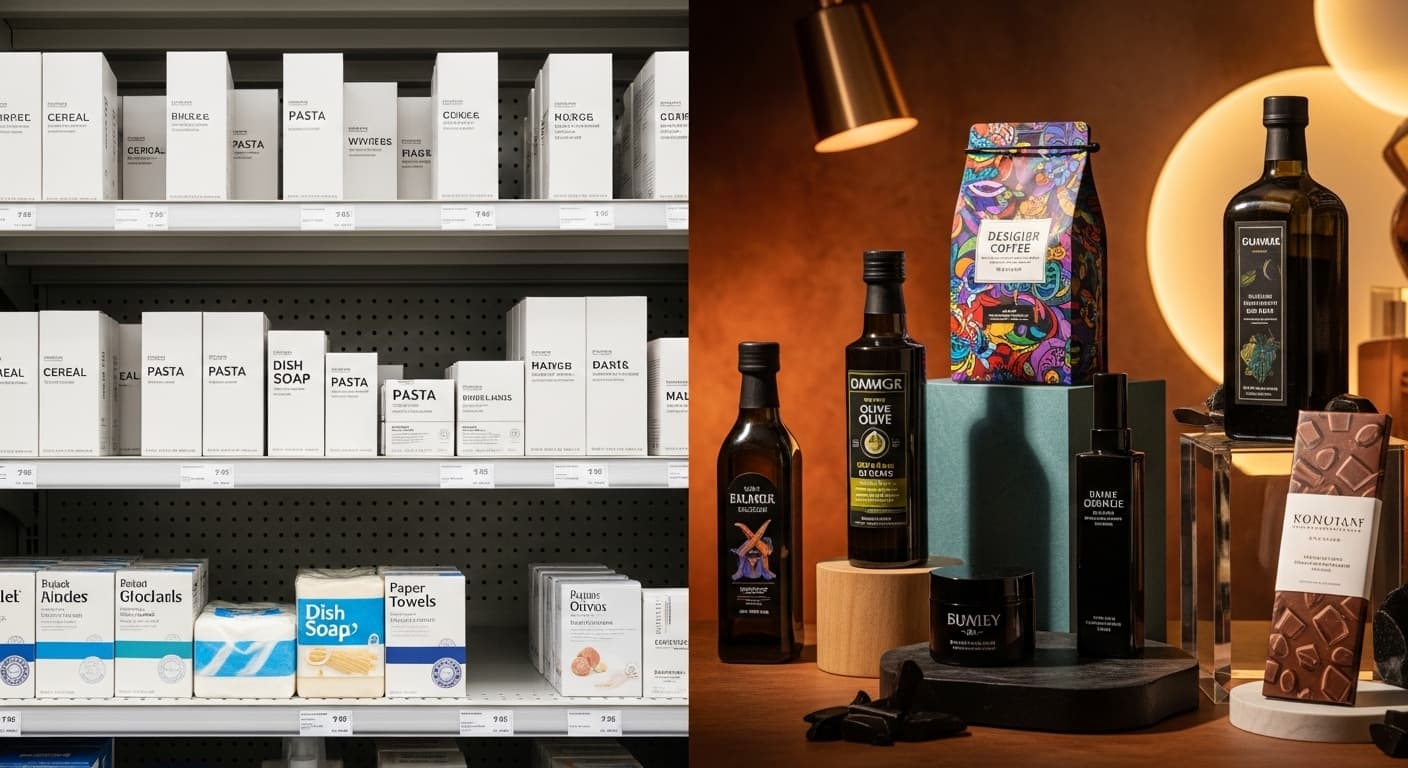
Private Label vs. Branded Masks: A Retailer's Decision Framework
A step-by-step framework for deciding where private label belongs in your respiratory protection assortment — Good-Better-Best tiering, the certification gap, and where retailer liability exposure makes branded the safer call.