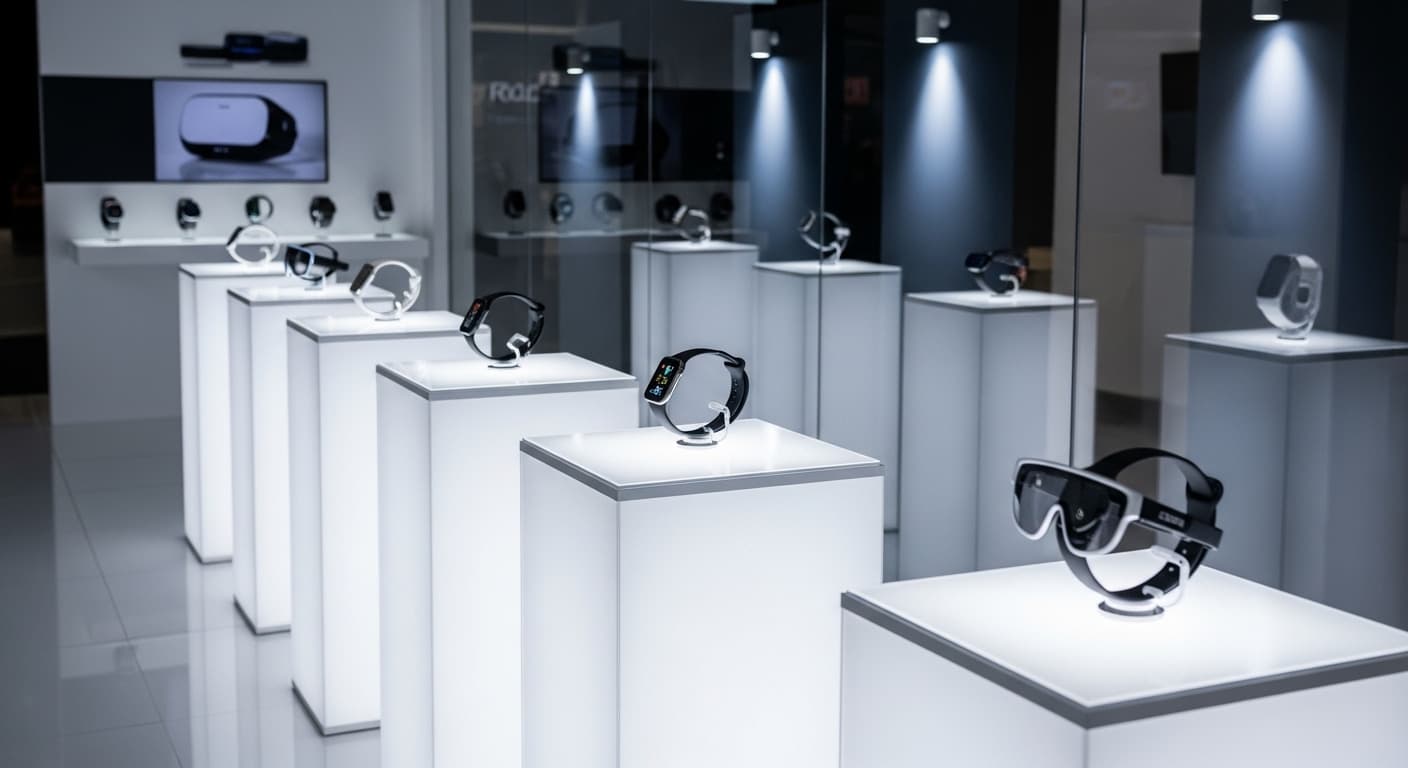
The Rise of Air Wearables: How a New Category Is Changing an Industry
Air wearables are no longer a niche concept — they are reshaping consumer health, urban commuting, and even fashion. This industry report explores the market forces, design breakthroughs, and cultural shifts driving the movement.
For over a century, respiratory protection was an industrial product. Hard plastic respirators, disposable dust masks, and clinical-grade surgical covers defined the category. They were functional, utilitarian, and designed for regulated workplaces, not for consumers walking to work or parents pushing strollers. The emergence of "air wearables" represents a fundamental shift in how the industry thinks about protecting people from airborne threats, a shift from compliance-driven PPE to design-led consumer products.
From Factory Floor to City Street
The respiratory protection market was historically divided into two segments: industrial/occupational (dominated by companies like 3M and Honeywell) and medical (surgical masks for healthcare settings). Consumer respiratory protection barely existed as a category before 2010. The products available to everyday people were either repurposed industrial masks — uncomfortable, clinical-looking, and not designed for extended wear, or cloth masks with minimal filtration efficacy.
Several converging forces changed this. Accelerating urbanization concentrated hundreds of millions of people in cities with chronically poor air quality. Annual wildfire seasons grew longer and more intense, affecting populations far from the fires themselves. Growing public awareness of PM2.5 health risks created demand for effective personal protection. And a global health event in the early 2020s demonstrated that respiratory protection could become a mainstream consumer behavior overnight.
Design-Led Disruption
The consumer technology industry long ago learned that performance specifications alone do not drive adoption. The best product is the one people actually use, and usage is driven by design, comfort, and the way a product makes you feel. AirPop applied this principle to respiratory protection from its founding in 2015, treating masks as consumer wearables rather than industrial safety equipment.
This meant investing in industrial design, material science, user experience, and brand. It meant conducting thousands of hours of wear testing to optimize comfort. It meant developing the 3D Aerodome structure not just for filtration performance but for breathability and aesthetics. And it meant pursuing the highest certifications in the world, not as a marketing exercise, but as a commitment to the people who trust AirPop with their health.
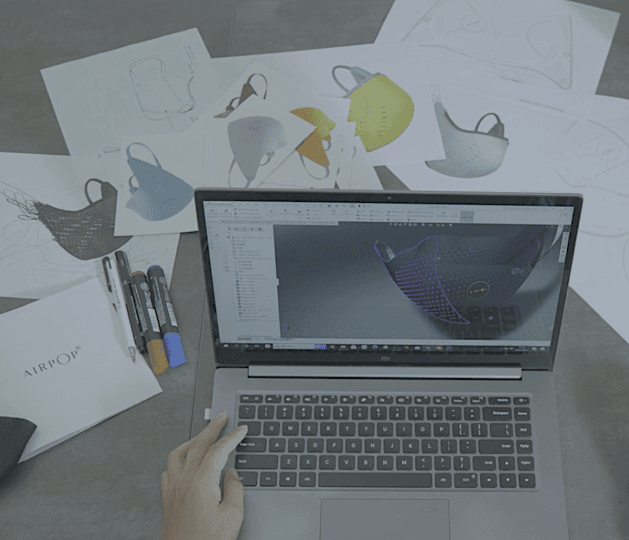
AirPop's Founding Story
AirPop was born in 2015 from a straightforward observation: hundreds of millions of people in Asia were wearing masks daily to cope with severe urban air pollution, and the products available to them were inadequate. Stiff, uncomfortable, poorly fitting, and aesthetically dismal, the existing options were a form of tolerable suffering rather than a genuine solution. The founding team saw an opportunity to bring consumer product thinking to a category that had never experienced it.
“We looked at the masks people were wearing every day in Beijing and Shanghai and asked a simple question: why does this product look and feel like it was designed in 1970? The technology to do better existed. Someone just needed to apply it with the same care that goes into designing a pair of running shoes or a pair of headphones.”
— AirPop founding team
From that starting point, the team spent years developing the 3D Aerodome structure, refining the 360-degree seal, and testing filter media combinations to achieve the seemingly contradictory goals of >97% filtration and 2x N95 breathability. Seven complete product generations and over 2,000 hours of wear testing later, the AirPop Light SE represented the realization of the original vision: respiratory protection you want to wear.
Related Article
The AirPop Story
Meet the brand that created the air wearables category.
Awards and Industry Recognition
AirPop's design-led approach has been recognized with six of the world's most prestigious design awards, a distinction rarely achieved by any consumer product — let alone one in the respiratory protection category.
- Red Dot Design Award — recognized for outstanding product design and innovation
- iF Design Award — one of the oldest and most respected design competitions globally
- Good Design Award, the world's oldest design award program, administered by the Chicago Athenaeum
- IDEA (International Design Excellence Award) — administered by the Industrial Designers Society of America
- Core77 Design Award — recognized by the leading industrial design community
- SXSW Innovation Award — recognized at the intersection of technology and design
These awards represent more than aesthetic achievement. They validate the principle that respiratory protection can and should be designed with the same rigor and care as any premium consumer product. The design is not decorative. It is functional. The 3D form, the seal geometry, the ear loop adjustment, and the filter architecture all serve performance goals. The awards recognize that this integration of form and function advances the entire category.
Future Trends: Smart Masks and Sustainability
The air wearables category is evolving rapidly. Several trends are shaping the next generation of products. Integrated air quality sensors will allow masks to provide real-time feedback on exposure levels and filter remaining life. Personalized fit optimization using 3D facial scanning will improve seal performance across diverse face shapes. Sustainable materials — recyclable filters, biodegradable components, and reduced packaging — are becoming competitive differentiators as environmentally conscious consumers demand products that protect both personal health and planetary health.
- Smart sensing: embedded sensors that monitor air quality, breathing patterns, and filter saturation in real time
- Personalized fit: 3D scanning technology to optimize mask geometry for individual face shapes
- Sustainable materials: biodegradable filter media, recyclable structural components, and minimal packaging
- Connected ecosystems: integration with health apps, smart home systems, and urban air quality networks
- Fashion integration: collaborations with designers and brands to make respiratory protection a style choice
AirPop is actively developing next-generation air wearables that integrate sensing, sustainability, and even greater performance. The mission remains unchanged since 2015: make breathing better for everyone, everywhere. The tools just keep getting better.
Related Article
Air Wearables: How AirPop Is Redefining Protection
The design evolution from industrial masks to premium wearables.
The respiratory protection industry is at an inflection point. The convergence of worsening air quality, growing consumer awareness, advancing technology, and design-led innovation is creating a market that barely existed a decade ago. Air wearables are not a niche. They are the future of how billions of people will protect themselves from the invisible threats in the air they breathe every day.
About the author
Chris HosmerCo-Founder, AirPop
Industrial designer and co-founder of AirPop. In 2015, while living in Shanghai, he invented AirPop's first smart mask after watching his own children struggle to breathe through the city's air pollution — creating the Air Wearables category. Leads product engineering, certification testing, and filtration technology development.
Related Articles
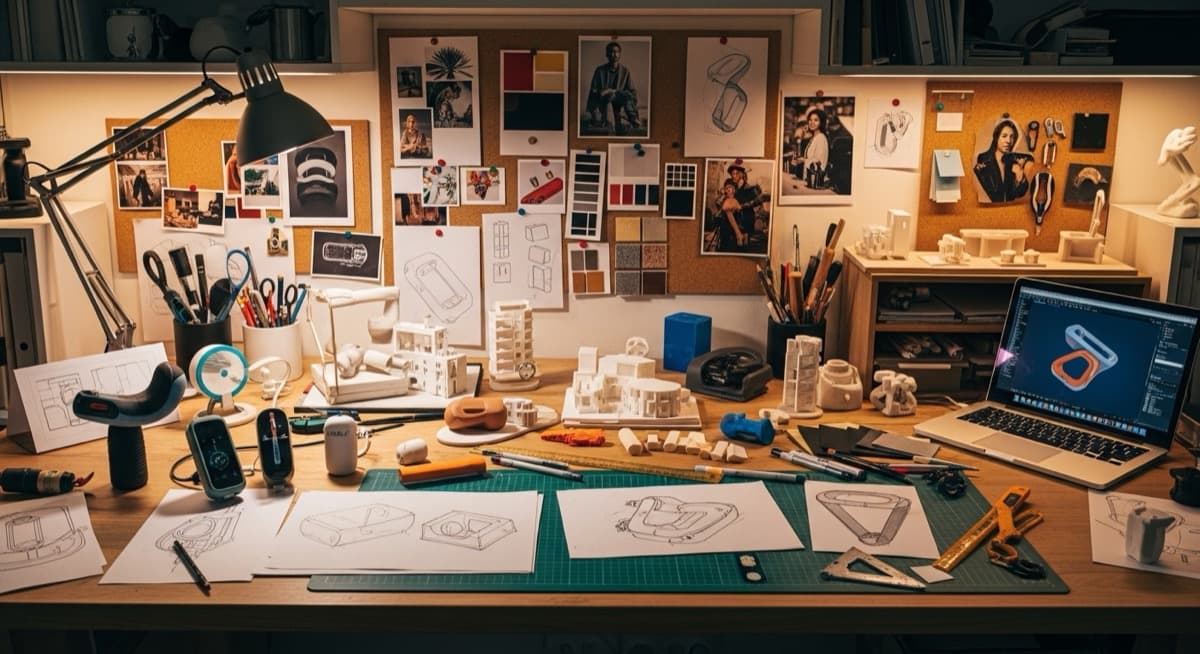
From Personal Mission to Global Brand: The AirPop Story
When industrial designer Chris Hosmer saw his young children suffering from respiratory illness caused by severe air pollution, he set out to create something better. A decade later, AirPop is trusted by retailers across 35+ markets.
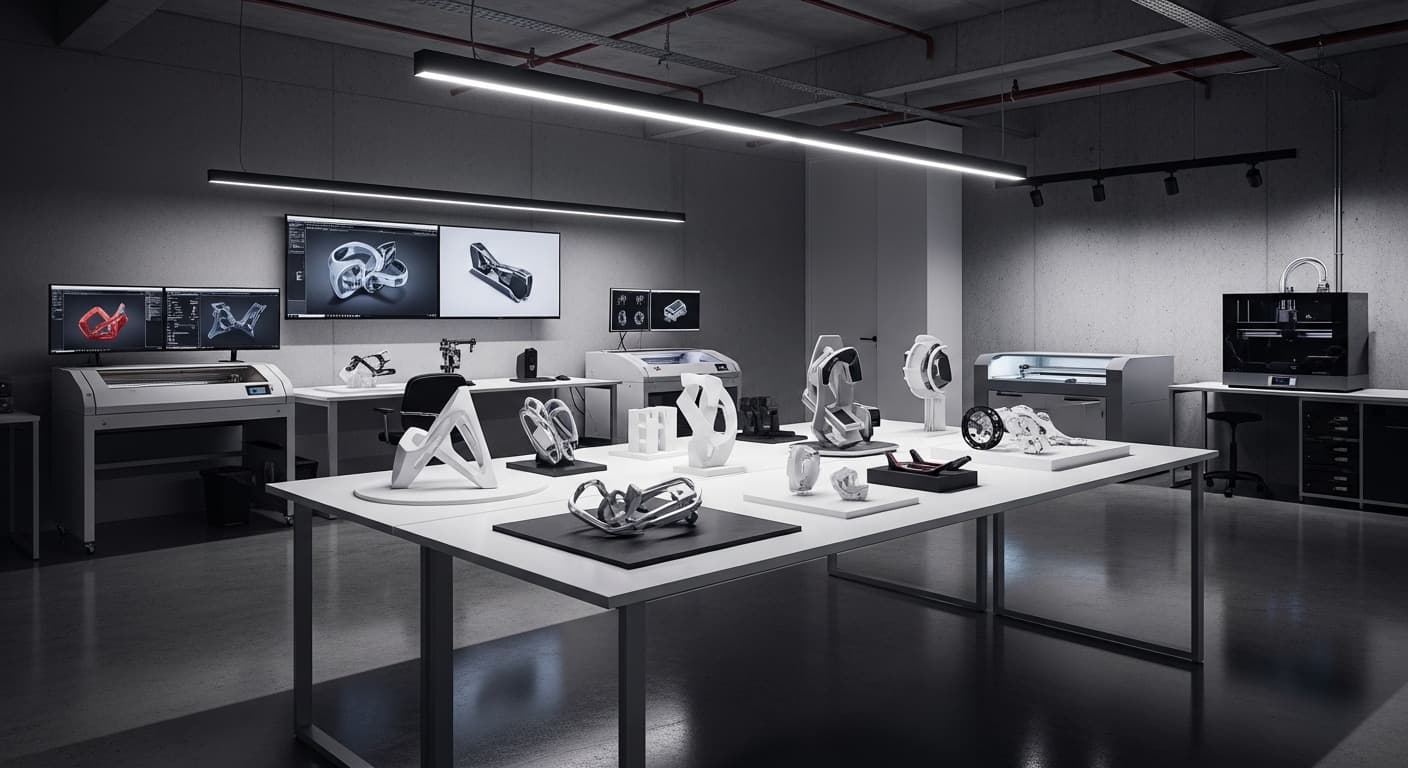
Air Wearables: How AirPop Is Redefining Respiratory Protection
From industrial masks to design-forward wearables — the evolution of an entire product category, and where it's headed next.

The Respiratory Protection Merchandising Calendar: When to Stock What
Respiratory protection demand is not random — it follows predictable seasonal patterns driven by flu season, allergy cycles, wildfire smoke, and back-to-school. This calendar helps retailers plan inventory year-round.