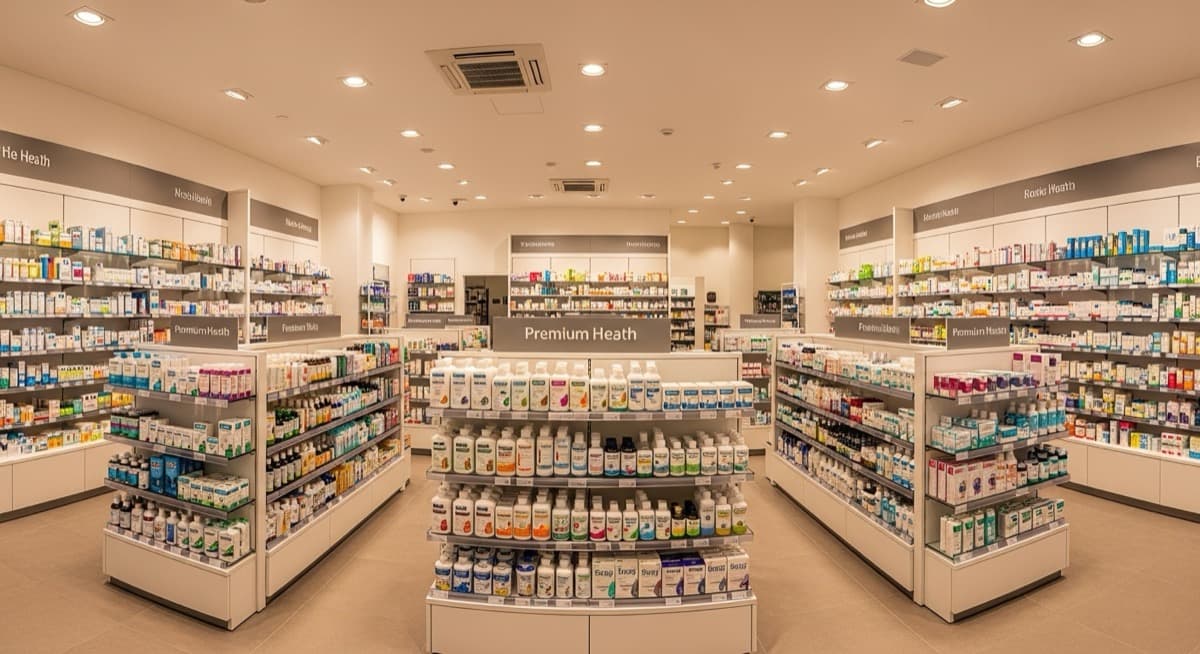
Category Management for Respiratory Protection: A Buyer's Framework
Respiratory protection is evolving from an emergency purchase to a planned wellness category. This category management framework helps retail buyers optimize assortment, placement, and seasonal strategy.
Respiratory protection has evolved from an impulse-buy bin of disposable masks into a structured retail category with distinct consumer segments, predictable seasonal patterns, and significant margin potential. Yet most retailers still merchandise respiratory protection as an afterthought, a few SKUs tucked into the pharmacy aisle or buried in hardware. Retailers who apply disciplined category management principles to respiratory protection are capturing 3-5x the category revenue of those who treat it as a commodity filler. This article provides a complete category management framework for retail buyers responsible for building or optimizing a respiratory protection assortment.
According to Nielsen IQ, categories that receive formal category management treatment (defined assortment strategy, planogram optimization, promotional calendar) generate 25-40% more revenue per linear foot than unmanaged categories. Respiratory protection is one of the few health and wellness subcategories still largely unmanaged at most retailers, which means the upside from professionalization is substantial.
What Does a Good/Better/Best Assortment Strategy Look Like?
The Good/Better/Best (G/B/B) framework is the foundation of respiratory protection category management. Each tier serves a distinct consumer need, margin role, and merchandising function. The key is ensuring each tier is clearly differentiated — in certification level, price point, and visual presentation, so that consumers can self-select and trade up naturally.
- 1GOOD tier (30% of facings, 20% of revenue, 15-25% margin): Disposable masks — surgical masks, basic KN95s, dust masks. Entry price point ($1-5 per unit). Function: traffic driver and basket builder. These products get consumers into the section and establish price anchoring that makes mid-tier and premium products look like good value. Stock 2-3 SKUs maximum.
- 2BETTER tier (40% of facings, 35% of revenue, 35-45% margin): Mid-tier branded products — branded KN95s, reusable cloth masks with filter pockets, single-certification products. Mid price point ($8-15 per unit). Function: the "reasonable choice" for price-conscious buyers who want better quality than commodity. Stock 3-5 SKUs.
- 3BEST tier (30% of facings, 45% of revenue, 45-60% margin): Premium multi-certified products — ASTM F3502 WPP certified, reusable with replacement filter systems, structured 3D design with engineered seals. Premium price point ($20-30 per unit). Function: margin driver and category anchor. These products define the category's quality ceiling and generate the majority of margin dollars. Stock 2-4 SKUs.
The revenue distribution — 20% Good, 35% Better, 45% Best — may seem counterintuitive, but it reflects a well-documented retail dynamic: when consumers are presented with a clear quality ladder, a significant portion trade up, especially in health and safety categories where the perceived cost of choosing the cheapest option is high. Deloitte consumer research shows that 58% of health and wellness shoppers select the mid-tier or premium option when presented with a clear three-tier assortment, compared to only 31% when only two tiers are visible.
How Should the Planogram Be Organized?
Planogram design for respiratory protection should follow the same principles proven in other health and wellness subcategories: organize by use case first, then by tier within each use case. The most effective planogram layouts place products at eye level by consumer occasion — everyday protection, workplace/commute, outdoor activity, allergy/flu season, rather than grouping by brand or price. This occasion-based layout reflects how consumers actually shop the category: they come with a need, not a brand preference.
- Eye level (48-66 inches): Premium BEST tier products — ASTM F3502 certified, highest margin. This is where 60% of purchase decisions are made. Feature brand-blocked facings with clear certification callouts.
- Upper shelf (66+ inches): BETTER tier mid-range products. Visible but requiring slight effort to reach. Stock 3-5 SKUs with brand variety.
- Lower shelf (below 48 inches): GOOD tier commodity products — disposable masks, bulk packs. Price-driven shoppers will find them; no need for prime placement.
- End cap or wing panel: Seasonal features — allergy season (March-May), wildfire season (June-October), flu/RSV season (November-March). Rotate quarterly.
- Cross-merchandising clip strips: Place replacement filters next to air purifiers, travel-size masks next to luggage, and kids' masks next to children's health products.
Products at eye level receive 35% more visual attention than products one shelf above or below (POPAI shopper engagement study). For respiratory protection, placing premium certified products at eye level with clear ASTM F3502 certification badges creates a "billboard effect" that elevates the entire category's perceived quality, even for shoppers who ultimately buy from the mid-tier.
What Does a Seasonal Merchandising Calendar Look Like?
Respiratory protection is not a seasonal category. It is a year-round category with seasonal peaks. The difference is critical. A seasonal category (like sunscreen) gets expanded space in summer and minimal space in winter. A year-round category with seasonal peaks maintains consistent base space and adds promotional support during peak periods. The data from retailers who have professionalized their respiratory protection merchandising shows that maintaining year-round shelf presence is essential for building consumer awareness and repeat purchase behavior.
- 1January-February: Post-holiday health reset. Promote respiratory protection as part of "New Year, Healthier You" wellness campaigns. Cross-merchandise with air purifiers and supplements. Key message: indoor air quality during heating season.
- 2March-May: Allergy season peak. Expand facings by 25-30%. Feature pollen-focused messaging. Cross-merchandise with antihistamines, nasal sprays, and eye drops. AQI-triggered social media and in-store signage.
- 3June-August: Wildfire smoke season (Western U.S.) and travel season. Add wildfire preparedness messaging. Feature travel-size SKUs for summer travel. In wildfire-affected regions, deploy end-cap and front-of-store displays when AQI exceeds 100.
- 4September-October: Back-to-school and early flu prep. Feature kids' and family multi-packs. Cross-merchandise with hand sanitizer and disinfecting supplies. Transition messaging from outdoor air quality to indoor germ protection.
- 5November-December: Flu, RSV, and holiday travel season. Peak promotional period alongside cold and flu category. Feature gift sets and premium packaging. Cross-merchandise with thermometers, humidifiers, and cold remedies. Drive filter replacement purchases ("stock up for winter").
What Cross-Category Opportunities Exist?
Respiratory protection's strongest cross-category affinity is with the broader air quality and wellness ecosystem. Retailers who merchandise respiratory protection alongside complementary categories see 15-25% higher basket sizes than those who isolate it in a single aisle location. The data from Target's 2024 category reset showed that creating an "Air Quality" destination zone — combining air purifiers, replacement filters, air quality monitors, and respiratory protection — increased total zone revenue by 22% compared to the previous layout where each product type was in a different aisle.
- Air purifiers + replacement filters: Natural complement. Consumers who buy air purifiers for home protection often buy masks for outdoor/commute protection. Attach clip strips with travel-size masks to purifier shelf sections.
- Allergy and cold/flu medications: Respiratory protection cross-merchandised with antihistamines and cold remedies captures the "I'm already sick / trying not to get sick" shopper. Feature during March-May (allergy) and November-March (cold/flu).
- Travel accessories: TSA-compliant mask packs placed near luggage, travel pillows, and travel health kits. Airports and travel retail are a growing channel for premium respiratory protection — leverage this association in general retail.
- Outdoor recreation and sports: Masks designed for outdoor activity (running, cycling, hiking) cross-merchandised with fitness and outdoor gear. Growing segment driven by air quality-conscious athletes and outdoor workers.
- Baby and children's health: Kids' masks and air quality products placed in the children's health section. Parents over-index on health protection products — respiratory protection for children is the fastest-growing segment of the category.
How Should Buyers Measure Category Performance?
Effective category management requires ongoing performance measurement. Respiratory protection should be evaluated on the same KPIs used for mature health and wellness subcategories, with a few category-specific additions. The most important metrics are revenue per linear foot (target: $400+ annually for a managed category), gross margin dollars per linear foot (target: $180+ annually), inventory turns (target: 10-15 annually for premium, 15-20 for commodity), and category penetration (the percentage of store traffic that buys from the category — target: 3-5% for a well-merchandised respiratory protection section).
- Track revenue per linear foot monthly — adjust facings if falling below $400 annual run rate
- Monitor Good/Better/Best revenue mix — target 20/35/45 split; investigate if commodity exceeds 30% of revenue
- Measure repeat purchase rate by tier — premium should show 3x+ annual repeat; if below 2x, review product quality or assortment gaps
- Calculate AQI-event lift — during wildfire or high-pollen events, respiratory protection should spike 2-3x baseline; if not, evaluate in-store visibility and signage
- Review cross-category attachment rate — target 15%+ of respiratory protection baskets also containing a complementary category item
- Conduct quarterly planogram reviews — seasonal rotation and new product introduction keep the section fresh and drive discovery
AirPop provides retail partners with complete category management support: planogram templates, seasonal merchandising calendars, sell-through analytics, and co-marketing materials. Our category insights team works with buyers to optimize assortment, placement, and promotional strategy for maximum category performance. Contact hello@getairpop.com to schedule a category review.
About the author
Jett FuCo-Founder & CEO, AirPop
Cross-border entrepreneur and co-founder of AirPop. Leads global operations, retail expansion across 35+ markets, and B2B distribution partnerships with Target, Amazon, and Best Buy.
Related Articles

Air Quality Category 2026: What Retail Buyers Are Stocking
The air quality category grew 23% in 2025. See which products — purifiers, masks, AQI monitors — top retail buyers are stocking in 2026, and how to build an assortment that drives repeat purchases.

Respiratory Protection: 12-Month Demand Calendar for Buyers
Wildfire smoke, flu season, allergy spikes — respiratory protection demand is predictable if you plan for it. Use this month-by-month inventory calendar to avoid stockouts and capture every seasonal peak.
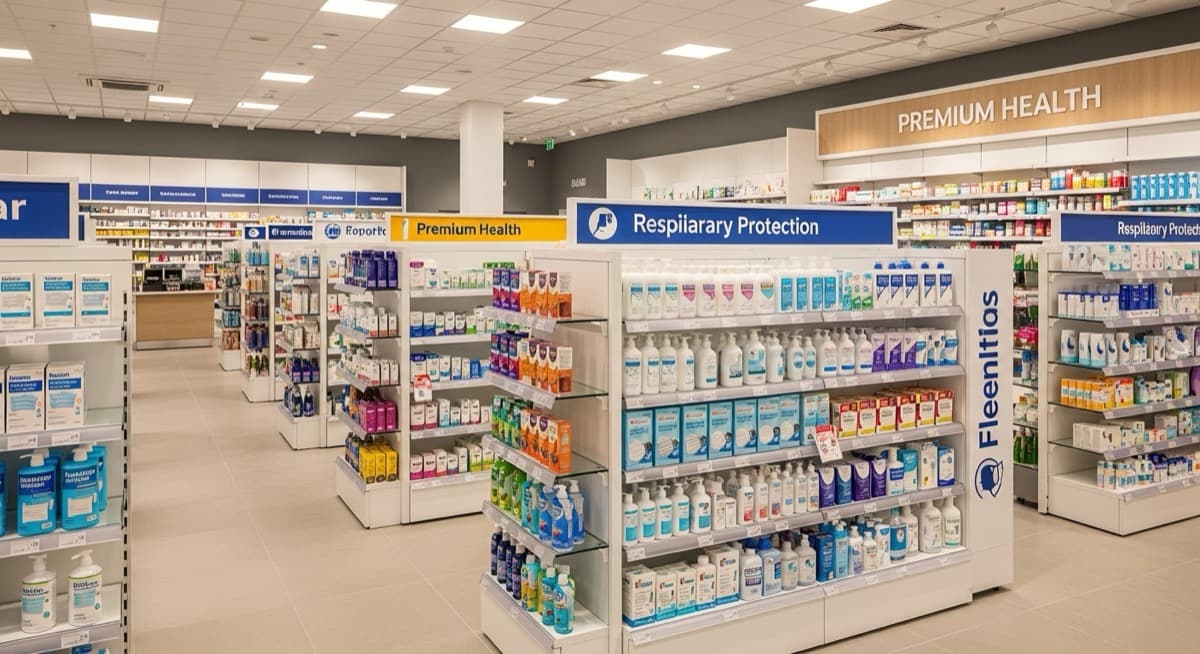
Case Study: How One Retailer Built a $2M Respiratory Protection Category
A regional pharmacy chain transformed an overlooked shelf section into a $2M annual category by repositioning respiratory protection as a wellness essential — not an emergency purchase. Here is how they did it.