The Retail Playbook: How to Win in Respiratory Protection
From seasonal demand cycles to category positioning and certification requirements — everything retail buyers and category managers need to know about building a respiratory protection assortment that sells.
Respiratory protection is one of the most misunderstood categories in retail. Most buyers still think of it as an emergency-driven spike that has faded. The data tells a different story: respiratory protection has evolved into a year-round wellness category with predictable seasonal peaks and a growing base of health-conscious consumers.
This playbook shares the insights we have gathered from working with major retailers across North America, Europe, and Asia Pacific, including what drives sell-through, how to position the category, and the certifications that matter to your customers.
The 5 Seasons of Respiratory Protection
Most retailers think of masks as a single-season product. In reality, respiratory protection demand follows five distinct cycles throughout the year — each driven by different consumer motivations and offering different merchandising opportunities.
- 1Wildfire Season (May-October): PM2.5 spikes from wildfire smoke drive 3-5x search volume in affected regions. Consumers are actively seeking protection and will pay premium prices for proven filtration.
- 2Cold & Flu Season (October-March): The original use case. Health-conscious consumers, parents of young children, and immune-compromised individuals stock up for the winter respiratory season.
- 3Allergy Season (March-June): Pollen protection, especially in the South and Midwest. Cross-merchandise with antihistamines and allergy relief products.
- 4Travel Season (June-August, November-December): Airports, airplanes, and crowded tourist destinations. Travelers seek compact, packable protection.
- 5Urban Commute (Year-Round): Daily pollution protection for metro area residents. Consistent baseline demand in cities with air quality awareness.
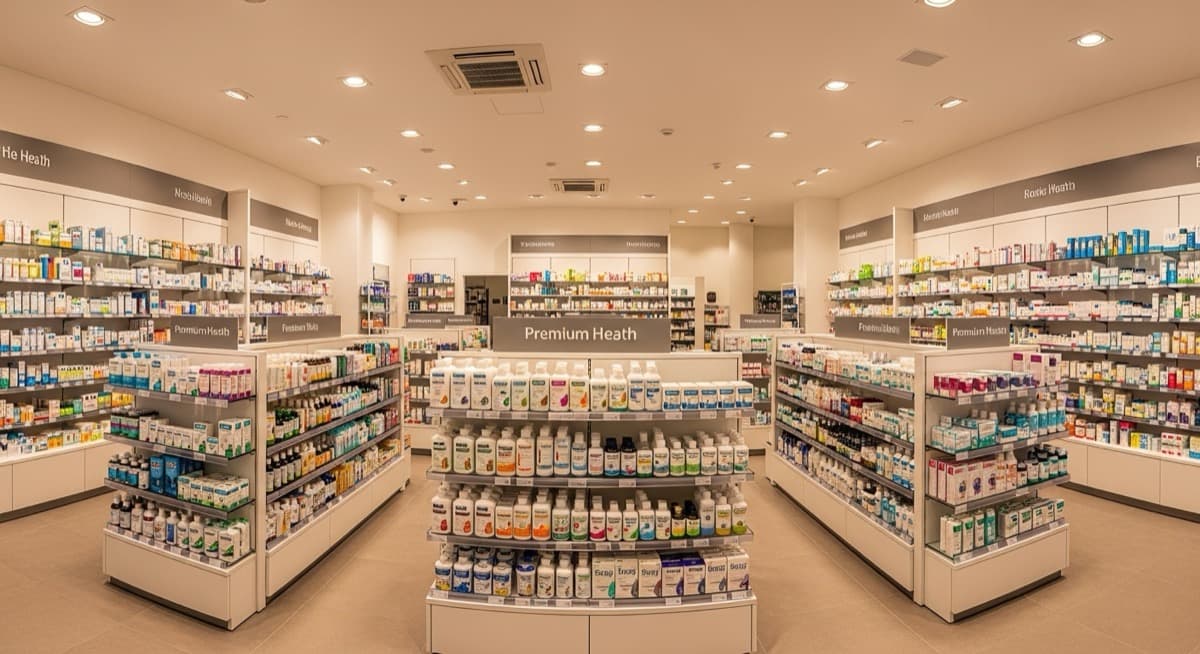
Position respiratory protection in the health and wellness aisle, not the industrial PPE section. Cross-merchandise seasonally: with allergy relief in spring, travel accessories in summer, and cold remedies in winter.
Why Premium Wins: The Margin Case
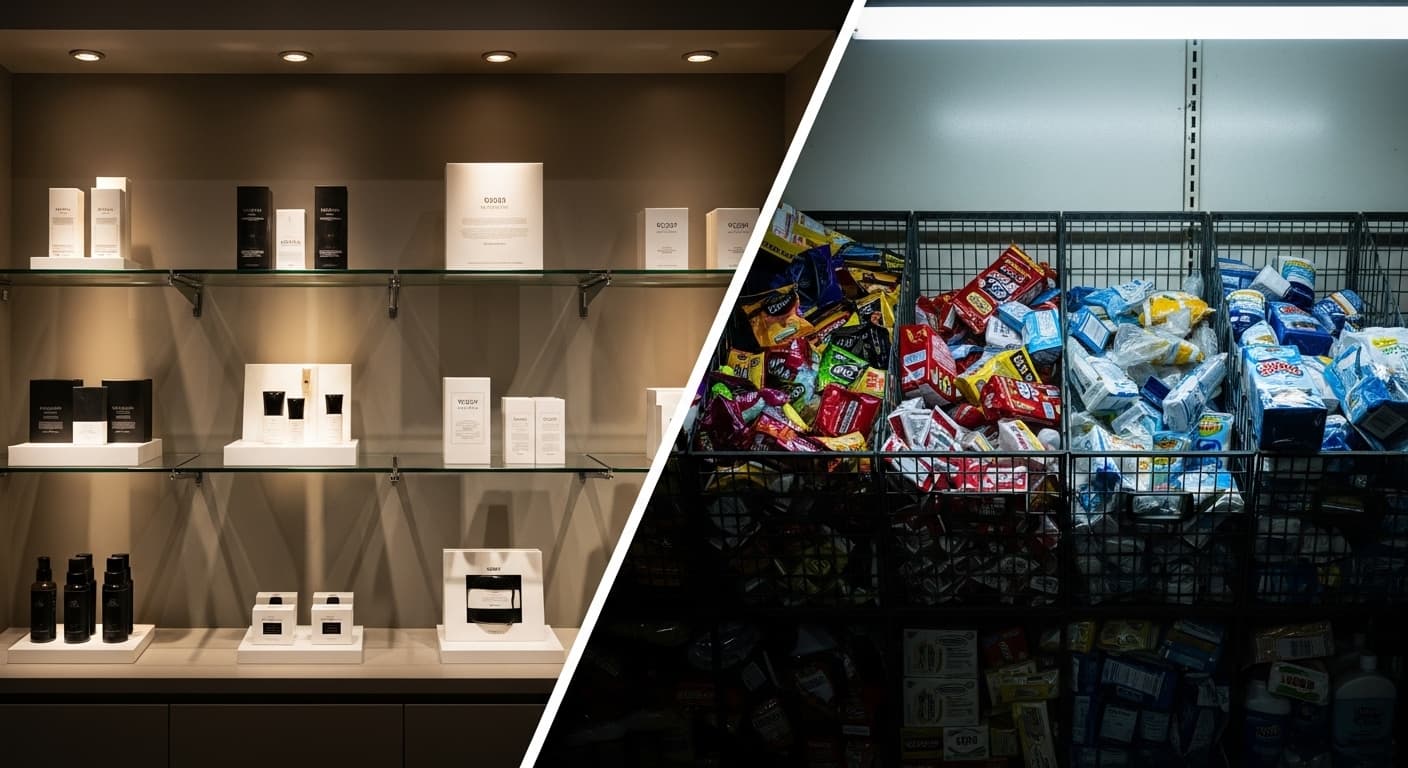
The respiratory protection market has bifurcated. On one side: commodity surgical masks at $0.50-1.00 per unit, with razor-thin margins and no brand differentiation. On the other side: premium Air Wearables at $19.99-24.99 per unit, with strong margins and loyal customers.
The premium segment offers better absolute margins per unit, lower return rates (because the products actually work), and repeat purchases from satisfied customers. Most importantly, premium positioning attracts health-conscious consumers who are less price-sensitive and more brand-loyal.
Related Article
The Hidden Cost of Cheap Masks
Why stocking premium products drives better margins and fewer returns.
Certifications That Matter to Buyers
Not all respiratory protection claims are created equal. When evaluating suppliers, these are the certifications that separate proven products from marketing claims.
- ASTM F3502-21: The U.S. barrier face covering standard. Level 2 filtration requires ≥50% sub-micron particle filtration efficiency. This is the report U.S. retail buyers should ask for.
- NIOSH N95 Benchmarks: The gold standard for comparison. Products tested to N95 methods (even if not N95 certified) demonstrate serious filtration performance.
- Third-Party Lab Verification: Look for test reports from Intertek, SGS, Nelson Labs, or similar accredited laboratories. Self-reported claims are not sufficient.
- FDA Registration: Required for any products making medical claims in the U.S. market.
- Global Certifications (CE, BSI Kitemark): Demonstrate that the product meets regulatory requirements across multiple markets, a sign of a serious manufacturer.
When the CDC tested KN95 masks from various manufacturers, approximately 60% failed to meet their rated filtration claims. One bad batch can destroy retailer relationships and generate costly returns. Always verify certifications independently.
Assortment Strategy: Good, Better, Best
A well-constructed respiratory protection assortment offers options at multiple price points while anchoring on premium. Here is a framework that has worked for major retailers.
- Good (Entry): Basic surgical or cloth masks for price-sensitive shoppers. Limited margin, but provides an entry point.
- Better (Mid-Tier): Generic KN95 or basic respirators. Improved filtration, modest margin.
- Best (Premium): Air Wearables like AirPop. Design-forward, certified performance, strong margin, and repeat purchase driver.
The key insight: premium products anchor the category and educate consumers on what quality looks like. Even if some shoppers trade down, the "Best" tier establishes value perception for the entire assortment.
Partner Support That Drives Sell-Through
The best product in the world will not sell itself. When evaluating respiratory protection suppliers, look for partners who invest in sell-through support.
- Point-of-Sale Materials: Shelf talkers, signage, and display units that communicate value at the moment of purchase.
- Seasonal Campaign Support: Marketing assets and messaging for key demand seasons (wildfire, allergy, flu).
- Training Materials: Help your staff understand the products and answer customer questions.
- Digital Assets: Product images, videos, and copy for e-commerce listings.
- Dedicated Account Management: A partner who understands your specific market and customer base.
AirPop provides retail partners with market-specific data, seasonal planning support, and dedicated account management. Contact hello@getairpop.com or visit our wholesale page to request a category analysis for your market.
Related Article
Spring Allergy Season 2026
Seasonal demand data to inform your merchandising calendar.
About the author
Jett FuCo-Founder & CEO, AirPop
Cross-border entrepreneur and co-founder of AirPop. Leads global operations, retail expansion across 35+ markets, and B2B distribution partnerships with Target, Amazon, and Best Buy.
Related Articles

The Respiratory Protection Merchandising Calendar: When to Stock What
Respiratory protection demand is not random — it follows predictable seasonal patterns driven by flu season, allergy cycles, wildfire smoke, and back-to-school. This calendar helps retailers plan inventory year-round.
The Hidden Cost of Cheap Masks: Why Premium Respiratory Protection Wins at Retail
When 60% of budget masks fail filtration claims, the true cost is not just health risk — it is returns, lost trust, and missed margin. Here is why premium ASTM F3502-21 certified products outperform at every level.

Wholesale Respiratory Protection: A Complete Guide for Distributors and Retailers
Everything distributors and retailers need to know about sourcing premium respiratory protection — from ASTM F3502-21 compliance and global certifications to finding a supplier with proven retail sell-through.