
E-commerce vs Brick-and-Mortar Respiratory Sales: Where the Growth Is
E-commerce captures 42% of respiratory protection sales, but brick-and-mortar stores drive higher conversion on premium products. This channel analysis helps distributors optimize their omnichannel strategy.
The respiratory protection market has undergone a dramatic channel shift since 2020. E-commerce captured an outsized share of mask sales during the 2020 demand spike — reaching 62% of total U.S. respiratory protection revenue in Q2 2020, but the channel mix has since rebalanced to a more nuanced steady state. As of Q4 2025, the split is approximately 44% online and 56% in-store, but these top-line numbers mask critical differences in product mix, consumer behavior, premium penetration, and profitability by channel. Understanding these differences is essential for building an effective omnichannel respiratory protection strategy.
How Does Channel Share Break Down by Product Tier?
The 44/56 online/in-store split is an average that obscures significant tier-level variation. Value-tier respiratory protection (disposable surgical-style masks, basic cloth coverings priced under $1 per unit) is overwhelmingly purchased in-store at a 72/28 in-store/online split. These are impulse or convenience purchases — consumers grab a box while shopping for other items. Mid-tier products (branded disposables and basic reusable masks at $5-15 per unit) split roughly 55/45 in-store/online, aligning closely with the category average.
The premium tier is where the channel story inverts dramatically. ASTM F3502-certified reusable masks priced at $20-35 per unit sell 62% online and 38% in-store. For the highest-end products (premium branded masks above $30 with advanced features like active ventilation or app connectivity), online share reaches 71%. This premium-online skew reflects several factors: premium purchasers are more likely to research before buying, online product pages can communicate certification details and brand story more effectively than shelf packaging, and premium products benefit from reviews and ratings that are only available online.
Premium respiratory protection (ASTM F3502 certified, $20-35) sells 62% online versus 38% in-store — nearly the inverse of value-tier products (28% online, 72% in-store). Online channels are the primary battleground for premium respiratory protection.
How Do Conversion Rates Differ Between Channels?
Conversion rate dynamics differ significantly between online and in-store respiratory protection sales, and the differences have strategic implications for assortment and messaging. In-store conversion from aisle visit to purchase is estimated at 8-12% for respiratory protection in the Health & Wellness section — relatively high for a non-essential health product. However, this conversion rate drops to 3-5% when masks are merchandised in seasonal, pharmacy, or emergency sections. Placement is the dominant variable for in-store conversion, overshadowing pricing, packaging, and even brand name.
Online conversion follows a different pattern. The overall category conversion rate on Amazon for respiratory protection is approximately 4.2% (visits to purchases), but it varies dramatically with content quality. Product listings with professional photography, certification badges, fit guarantee messaging, and 50+ reviews convert at 7-9%, while bare-minimum listings (single product photo, minimal description, few reviews) convert at 1.5-2.5%. On retailer-owned e-commerce sites (Target.com, Walmart.com, Best Buy), conversion rates run higher at 5-8% because visitors arrive with stronger purchase intent, but the content quality differential remains: detailed product pages convert 2-3x better than minimal ones.
| Channel / Format | Conversion Rate | Key Insight |
|---|---|---|
| In-store Health & Wellness | 8-12% | Optimal placement drives highest in-store conversion |
| In-store Seasonal / Pharmacy | 3-5% | 2-3x lower than Health & Wellness placement |
| Amazon (average) | 4.2% | Varies dramatically with content quality |
| Amazon (premium listings) | 7-9% | Professional photos, cert badges, 50+ reviews |
| Retailer e-commerce | 5-8% | Stronger purchase intent; 2-3x lift from detailed content |
| Mobile online | 35% lower than desktop | But accounts for 68% of initial product discovery |
| Return customers online | 14-18% | 3-4x higher than new visitors — retention value |
Which Channel Delivers Better Premium Product Performance?
Premium respiratory protection products perform measurably better online across most key metrics. Average selling price (ASP) for premium masks is 12-18% higher online than in-store, reflecting consumers' greater willingness to pay when product differentiation is clearly communicated through detailed content pages, comparison charts, and customer reviews. Online premium buyers also show a 28% higher repeat purchase rate within 12 months, likely because digital channels enable subscription models, repurchase reminders, and personalized email marketing that keep the brand top-of-mind.
However, in-store has two significant advantages for premium products that should not be ignored. First, in-store discovery drives online purchase. Euromonitor's 2025 Path to Purchase study found that 34% of premium mask online purchases were preceded by an in-store encounter — either physically examining the product or seeing it on shelf. The in-store presence serves as a credibility signal ("if Target carries it, it must be legitimate") that reduces perceived risk for a high-consideration online purchase. Second, in-store trial is particularly valuable for masks because fit is personal. Retailers offering in-store "try before you buy" programs for premium masks have reported 52% higher conversion rates on premium SKUs compared to stores without trial capability.
What Does an Effective Omnichannel Strategy Look Like?
The data points toward a clear omnichannel framework for respiratory protection that leverages each channel's strengths. In-store serves three functions: discovery and credibility building for premium products, impulse capture for value-tier products, and trial/fit verification for consumers who need tactile reassurance. Online serves as the primary conversion channel for premium products, the retention and repurchase engine (via subscriptions and email), and the education platform where certification details, comparison content, and reviews drive informed purchase decisions.
- 1In-store: Lead with branded premium products at eye level to build credibility. Use clear certification signage. Offer try-before-you-buy where possible. Stock value tier for impulse/convenience capture.
- 2Retailer e-commerce: Invest heavily in product content — professional photography, certification badges, comparison charts, fit guides. Detailed pages convert 2-3x better than minimal listings.
- 3Amazon: Optimize for search (keyword-rich titles, bullet points with certification callouts). Build review volume aggressively — 50+ reviews is the inflection point for conversion lift.
- 4Brand DTC: Use as the education hub with deepest content, fit quiz tools, and subscription options. Drive traffic from social and content marketing. Highest margin channel.
- 5BOPIS (Buy Online, Pick Up In-Store): Offer for premium products — combines online research convenience with immediate gratification. BOPIS respiratory protection orders show 15% higher basket attachment than pure e-commerce.
- 6Mobile optimization: 68% of respiratory protection product discovery starts on mobile. Ensure product pages load in under 2 seconds and certification badges are visible above the fold.
The most effective omnichannel strategy uses in-store as a discovery and credibility channel that feeds online conversion. 34% of premium online purchases start with an in-store encounter. Invest in in-store presentation quality even if most premium revenue ultimately flows through e-commerce.
How Is the Channel Mix Expected to Evolve Through 2028?
Industry analysts project the online share of respiratory protection revenue to reach 48-52% by 2028, driven by three factors. First, subscription models are gaining traction — Circana data shows that 18% of premium mask online purchases in 2025 were subscription-based, up from 3% in 2022. This locks in repeat revenue online and shifts the repurchase occasion from in-store browsing to automated delivery. Second, social commerce (TikTok Shop, Instagram Shopping) is emerging as a discovery-to-purchase channel for respiratory protection, particularly among 18-35 year olds. Early data from TikTok Shop shows respiratory protection content achieving a 3.8% engagement rate — 2x the platform average for health products, driven by wildfire, allergy, and travel content creators.
Third, retailer investment in click-and-collect (BOPIS) is blurring the online/in-store distinction. Respiratory protection BOPIS orders at Target and Walmart grew 67% year-over-year in 2025. These orders are counted as online revenue but fulfill a hybrid need: the consumer researches online and picks up immediately rather than waiting for delivery. For emergency demand events (wildfire smoke arriving in a metro area), BOPIS becomes the dominant fulfillment method — 78% of Target.com mask orders during the 2024 California wildfire events were BOPIS.
AirPop supports retailers across all channels: shelf-ready packaging with certification-forward design for in-store, premium product content packages (photography, comparison charts, certification documentation) for e-commerce, and BOPIS-compatible inventory management integration. Contact hello@getairpop.com to discuss your omnichannel respiratory protection strategy.
Related Article
Air Purifiers and Masks: A Cross-Merchandising Strategy
How co-locating air purifiers and respiratory protection creates a unified air quality category with 27% basket size uplift.
Related Article
Target Respiratory Protection Category Case Study
How Target built respiratory protection into a permanent wellness category across 1,900+ stores.
About the author
Jett FuCo-Founder & CEO, AirPop
Cross-border entrepreneur and co-founder of AirPop. Leads global operations, retail expansion across 35+ markets, and B2B distribution partnerships with Target, Amazon, and Best Buy.
Related Articles
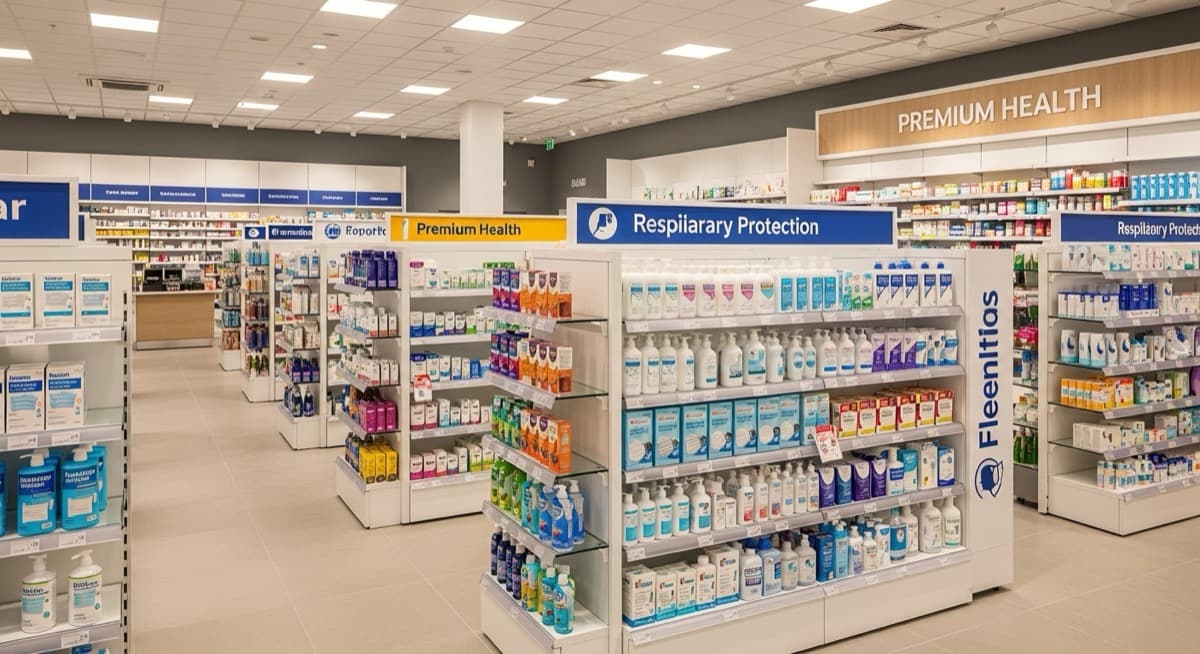
Case Study: How One Retailer Built a $2M Respiratory Protection Category
A regional pharmacy chain transformed an overlooked shelf section into a $2M annual category by repositioning respiratory protection as a wellness essential — not an emergency purchase. Here is how they did it.
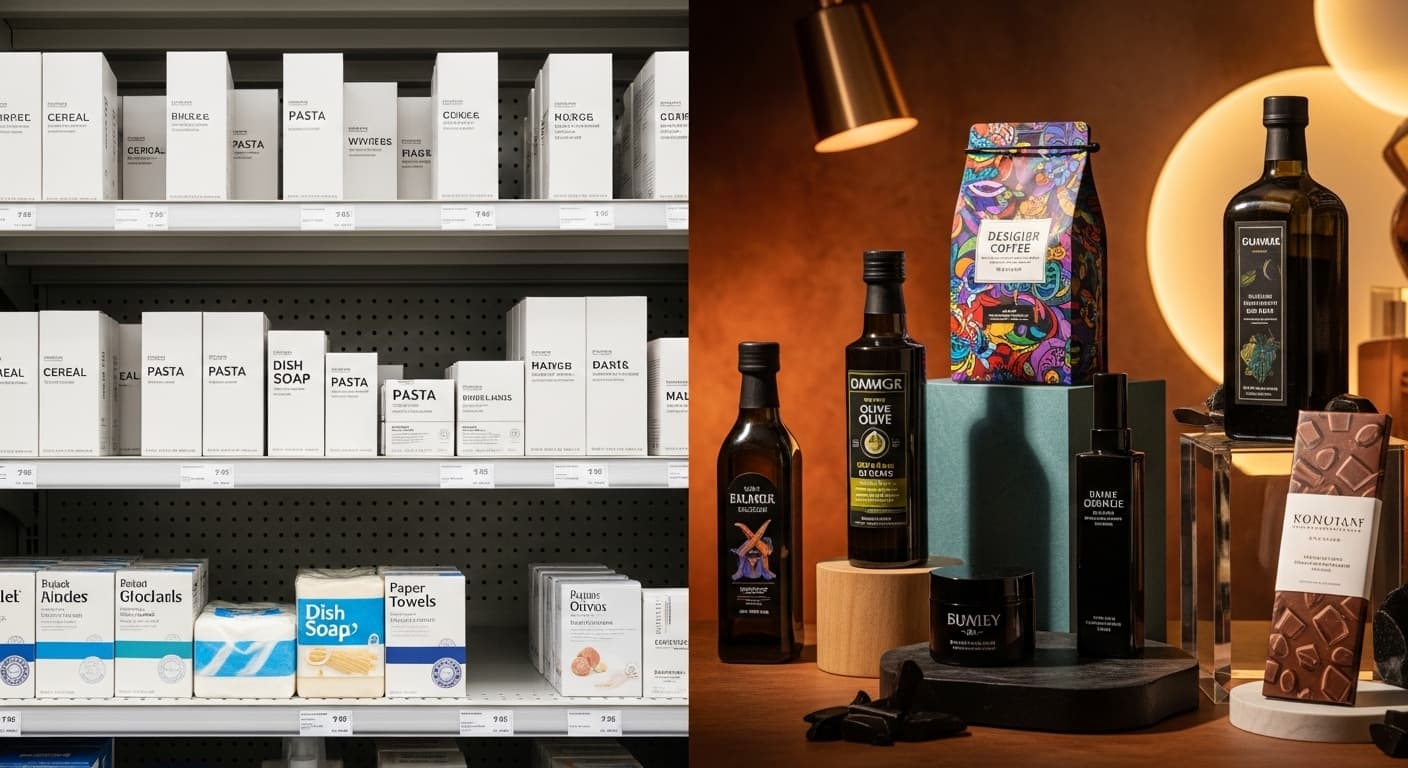
Private Label vs. Branded Masks: A Retailer's Decision Framework
A step-by-step framework for deciding where private label belongs in your respiratory protection assortment — Good-Better-Best tiering, the certification gap, and where retailer liability exposure makes branded the safer call.
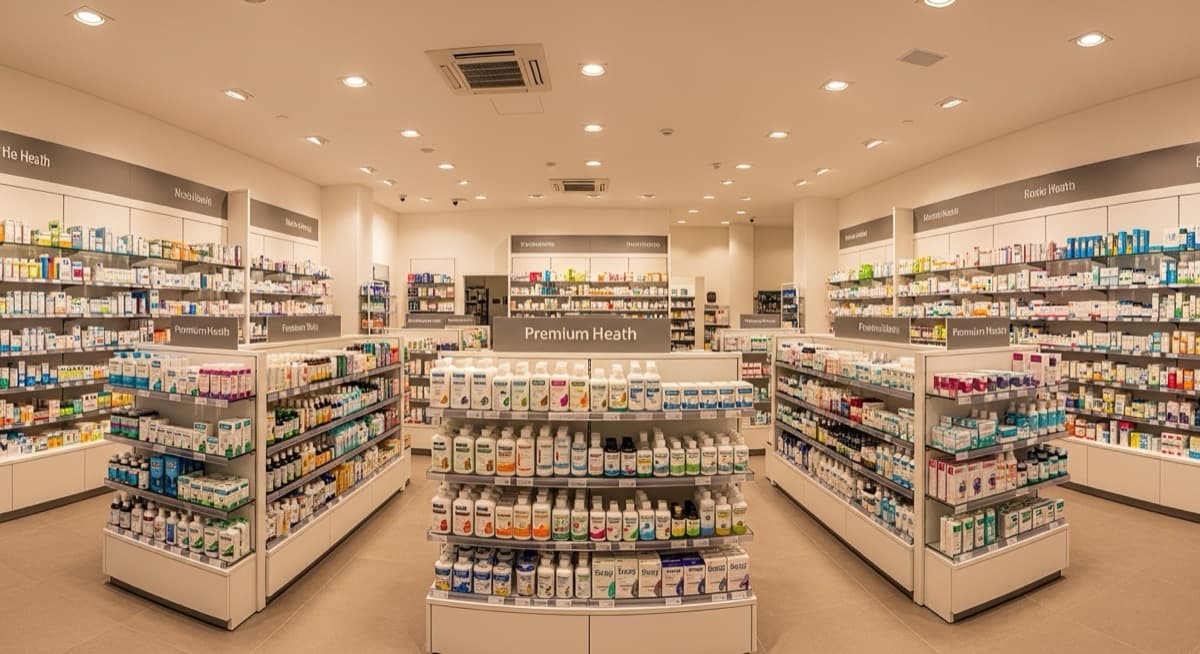
The Retail Playbook: How to Win in Respiratory Protection
From seasonal demand cycles to category positioning and certification requirements — everything retail buyers and category managers need to know about building a respiratory protection assortment that sells.