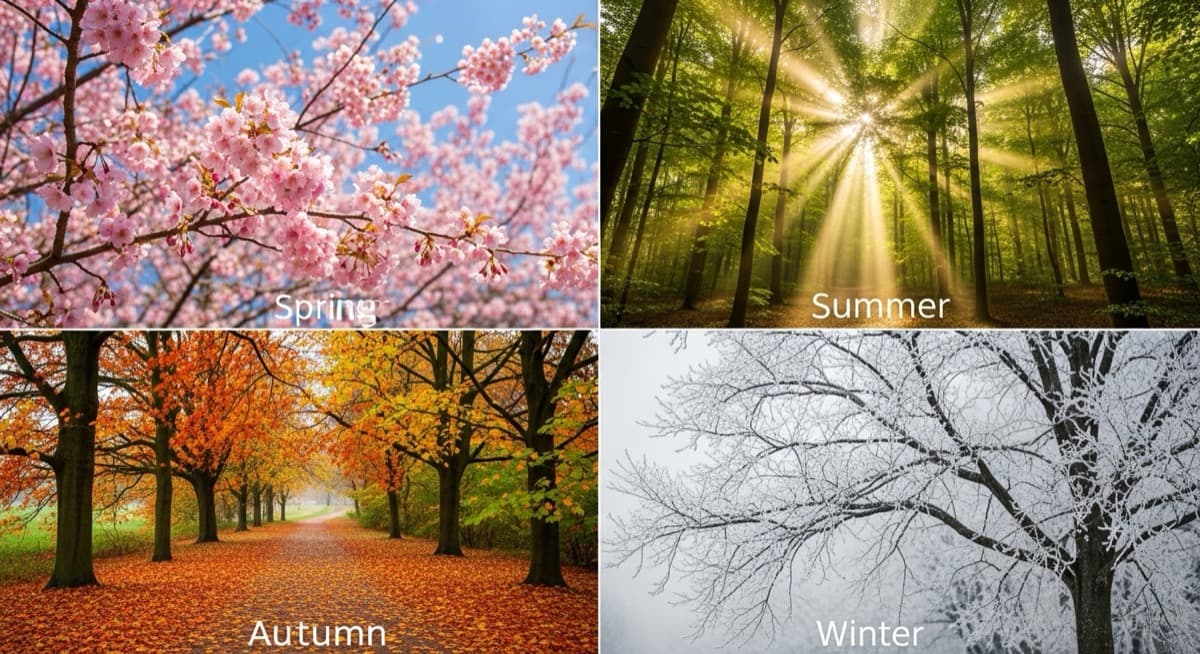
Seasonal Air Quality Guide: Year-Round Protection Strategies
From spring pollen surges to summer wildfire smoke and winter inversions, air quality threats shift with the seasons. Discover how to stay protected all year long with the right strategies and gear.
Air quality is not static. It shifts dramatically with the seasons, driven by changes in weather patterns, human activity, and natural phenomena. Understanding these seasonal patterns is essential for year-round respiratory health planning. Each season brings its own set of airborne challenges, and knowing what to expect helps you prepare rather than react.
Spring: Pollen and Agricultural Dust
Spring brings warmer temperatures and longer days, but it also triggers one of the most widespread air quality challenges: pollen season. Trees, grasses, and weeds release billions of pollen grains into the air from March through June, with peak concentrations varying by region. While pollen grains themselves are typically larger than PM2.5 (ranging from 10 to 100 micrometers), they fragment into smaller particles that can penetrate deep into the respiratory tract.
Agricultural activity adds another layer. Plowing, tilling, and planting operations release massive quantities of soil dust, fertilizer particles, and organic matter into the air. Rural communities and suburbs adjacent to farmland experience significantly elevated particulate levels during spring planting.
Pollen counts are highest in the early morning (5-10 AM) and on warm, dry, windy days. Schedule outdoor exercise for late afternoon when counts drop, and wear your AirPop mask during morning commutes.
Summer: Ozone and Wildfire Smoke
Summer presents the dual threat of ground-level ozone and wildfire smoke. Ozone forms when volatile organic compounds and nitrogen oxides — primarily from vehicle exhaust and industrial emissions — react in the presence of sunlight and heat. Hot, sunny, stagnant days produce the highest ozone concentrations, typically peaking between 2 and 6 PM. Ozone irritates the respiratory tract even at moderate concentrations, causing coughing, throat irritation, and reduced lung function.
Wildfire smoke season increasingly overlaps with summer, especially in the western United States and Canada. Smoke plumes can travel thousands of miles, degrading air quality in cities far from the fire itself. The 2023 Canadian wildfires demonstrated this dramatically, pushing AQI readings above 400 in New York City — over 1,500 miles from the nearest fire.
Wildfire smoke contains not just PM2.5 but also carbon monoxide, volatile organic compounds, and polycyclic aromatic hydrocarbons, many of which are known carcinogens. Standard cloth masks provide essentially no protection. Use respiratory protection rated for >95% particulate filtration.
Related Article
Wildfire Season 2026
Summer and fall wildfire smoke, the most dangerous seasonal air quality threat.
Fall: Burning Season and Harvest Dust
Autumn air quality is shaped by agricultural harvest operations and burning season. Combine harvesters, grain trucks, and threshing operations generate significant dust clouds rich in organic particulates and fungal spores. In many regions, fall is also the season when farmers burn crop stubble and landowners clear brush, generating localized but intense smoke events.
Leaf mold and decaying vegetation release fungal spores, including Aspergillus and Cladosporium — that peak in the fall months. These biological particles trigger allergic reactions and can cause serious respiratory infections in immunocompromised individuals. Cooler temperatures begin to trap pollutants closer to the ground, a precursor to the inversion events that characterize winter.
Winter: Inversions and Indoor Air
Winter brings a counterintuitive air quality paradox. Cold, still air creates temperature inversions — layers of warm air that trap pollutants near ground level like a lid on a pot. Cities in valleys or basins are especially vulnerable. Salt Lake City, Denver, and Beijing routinely experience multi-day inversion events where PM2.5 concentrations climb several times above safe thresholds.
Indoor air quality also deteriorates in winter. Sealed windows reduce ventilation. Gas heaters, fireplaces, wood stoves, and kerosene heaters all generate PM2.5, carbon monoxide, and nitrogen dioxide indoors. People spend approximately 90% of their time indoors during cold months, meaning indoor air quality becomes the dominant factor in total particulate exposure.
Indoor PM2.5 concentrations can exceed outdoor levels by 2 to 5 times during winter months when homes are sealed and combustion sources are active. Running a HEPA air purifier and ensuring adequate ventilation are essential winter strategies.
Year-Round Protection Strategy
- 1Monitor AQI daily regardless of season — make it as routine as checking the weather forecast
- 2Keep AirPop masks accessible at all times: in your bag, car, and at your front door
- 3Run HEPA air purifiers in the rooms where you spend the most time, especially bedrooms
- 4Time outdoor exercise to avoid peak pollution windows (early morning ozone, midday heat, inversion events)
- 5Replace mask filters on schedule — filtration efficiency degrades with use regardless of visible soiling
- 6Teach children to check AQI readings and normalize the habit of wearing protection when needed
AirPop masks are designed for year-round use. The Light SE's breathability makes it comfortable even in summer heat, while the 360° seal keeps cold winter air from leaking in at the edges. One mask platform, four seasons of protection.
Related Article
Spring Allergy Season 2026
Pollen counts, allergy data, and respiratory protection for spring.
About the author
Jett FuCo-Founder & CEO, AirPop
Cross-border entrepreneur and co-founder of AirPop. Leads global operations, retail expansion across 35+ markets, and B2B distribution partnerships with Target, Amazon, and Best Buy.
The AirPop Breathing System
Air protection by day, sleep breathing by night.
The AirPop Breathing SystemRelated Articles
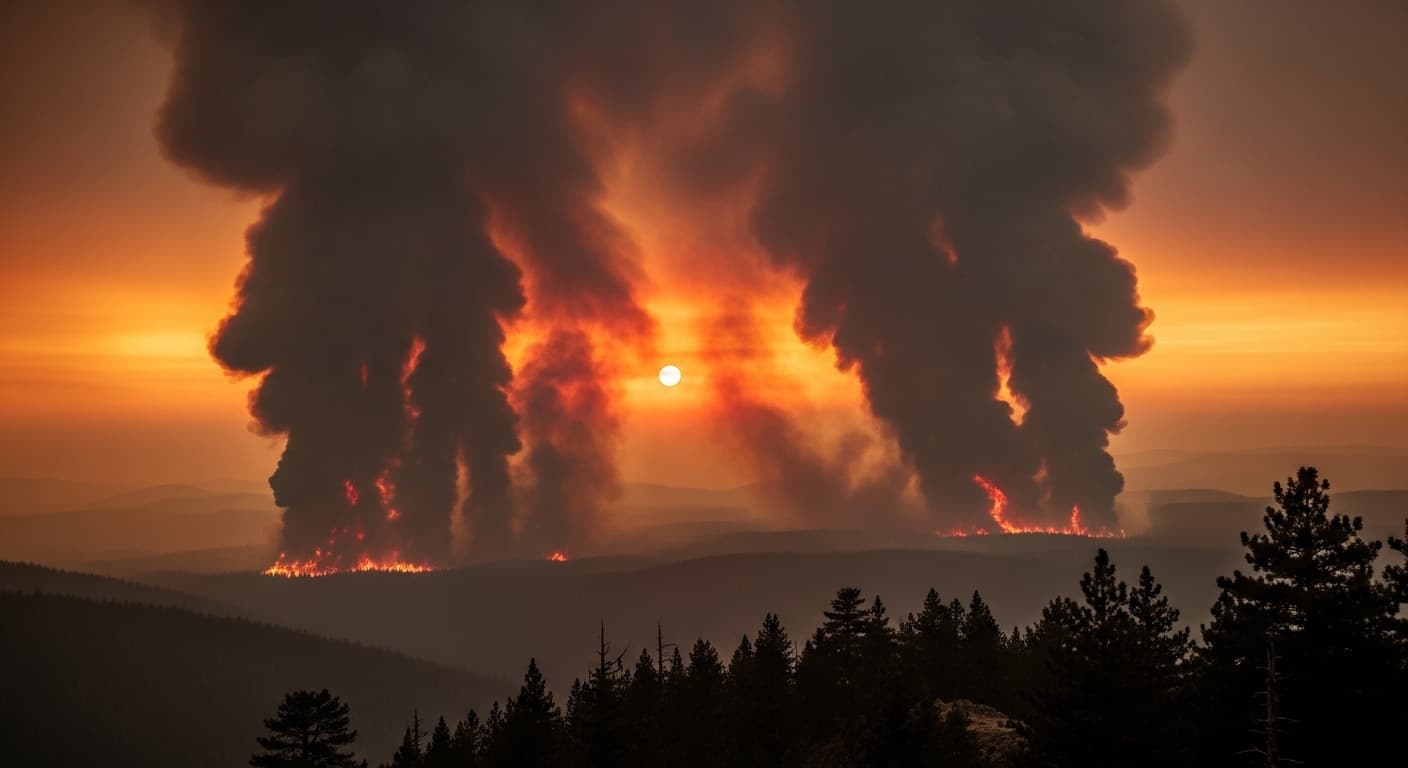
Wildfire Season 2026: Why Respiratory Protection Matters More Than Ever
With wildfire seasons growing longer and more intense, understanding PM2.5 protection has never been more important. Here's what you need to know.
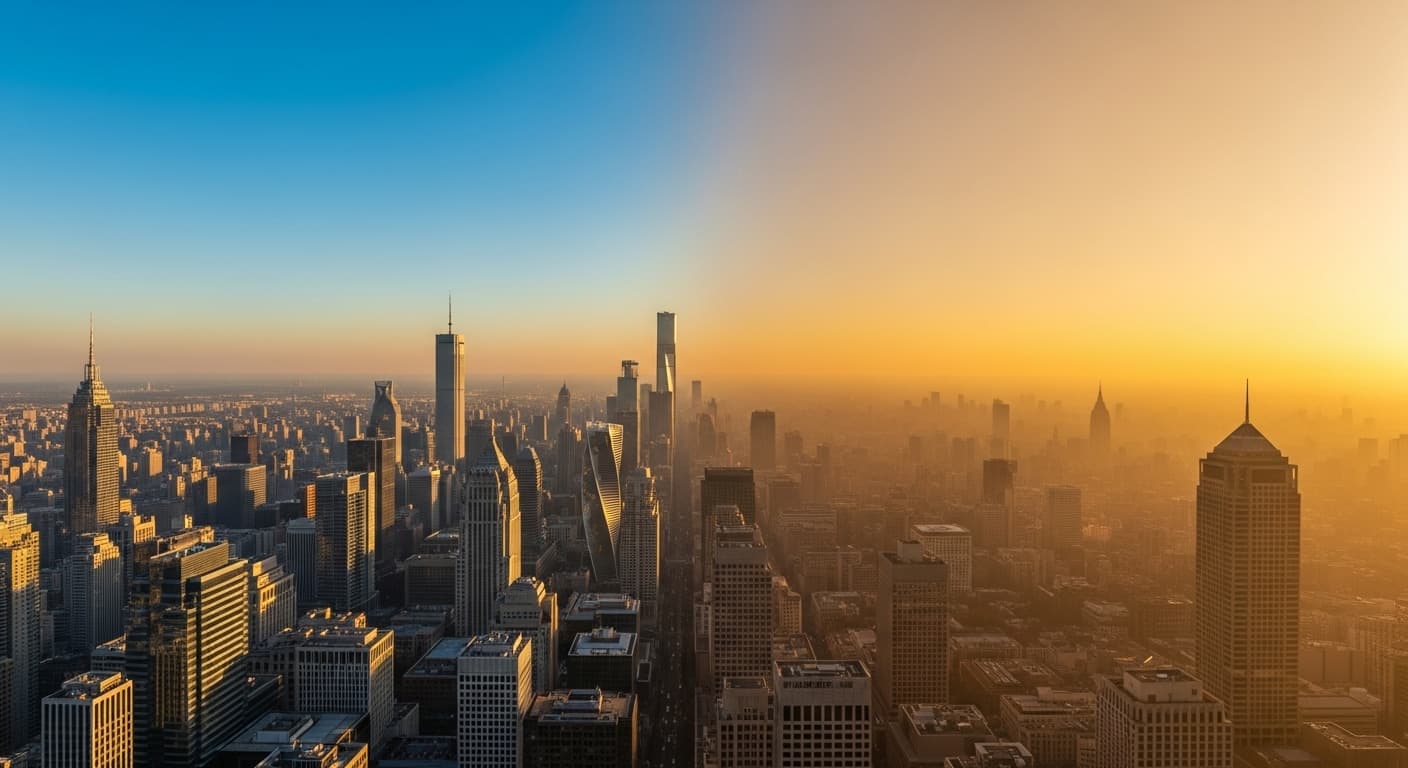
AQI Explained: How to Read and Act on the Air Quality Index
EPA AQI 101+ puts sensitive groups at risk. 6 levels decoded with exact thresholds for pregnant people, children, and elderly.
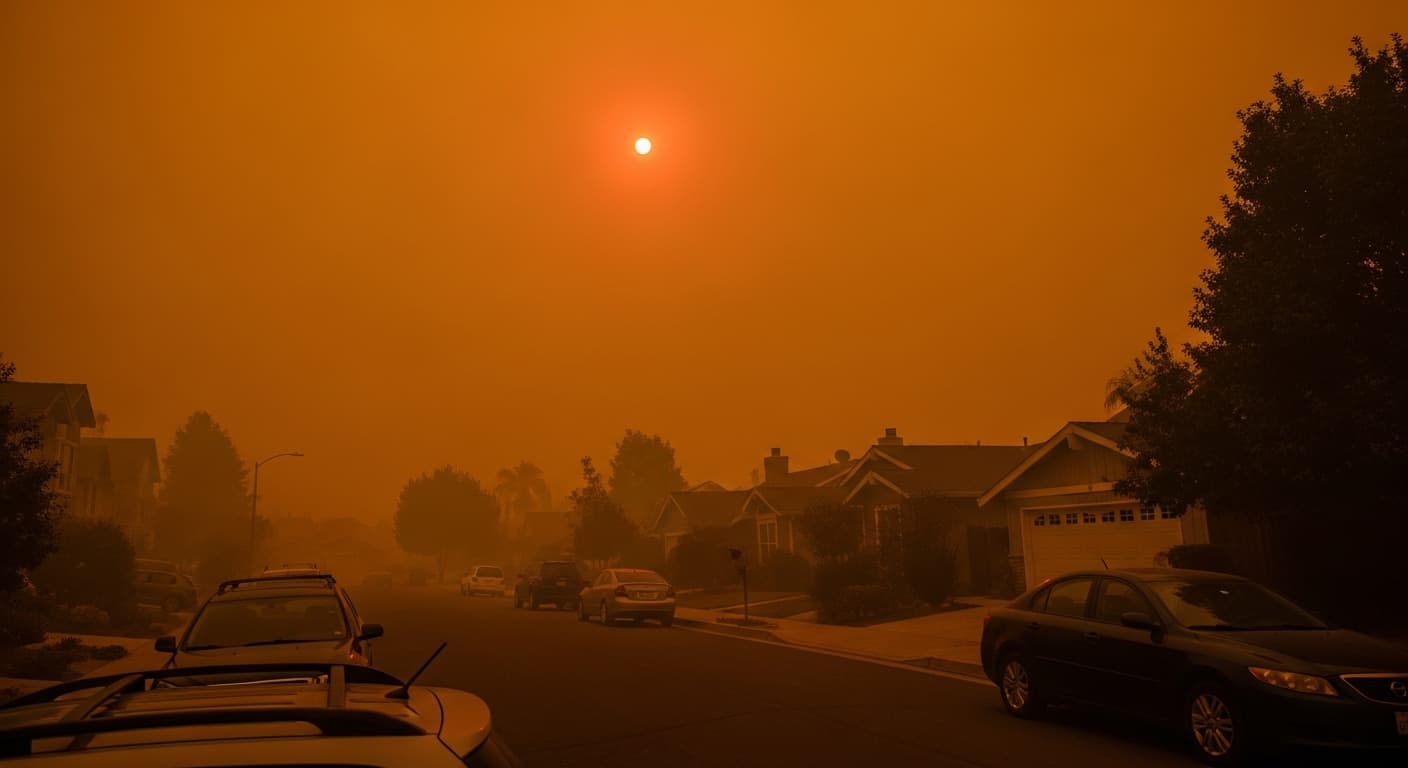
The 2026 Wildfire Smoke Event: What the Air Quality Data Shows
In July 2026, Canadian wildfire smoke put ~120 million people across 16 US states under air quality alerts, with some local AQI readings above the 500 "hazardous" ceiling. A plain-data explainer of how bad it was, what the AQI numbers mean, and what agencies say about breathing through smoke.