
AQI Explained: How to Read and Act on the Air Quality Index
EPA AQI 101+ puts sensitive groups at risk. 6 levels decoded with exact thresholds for pregnant people, children, and elderly.
The Air Quality Index, or AQI, is the standardized system used to communicate how polluted the air currently is or how polluted it is forecast to become. Think of it as a thermometer for air pollution. An AQI value of 50 represents good air quality with little potential to affect public health, while an AQI over 300 represents hazardous conditions where everyone should avoid outdoor exposure. Understanding the AQI scale is the first step toward making informed decisions about when you need respiratory protection.
Enter your ZIP code in our free air quality tool to see the live AQI near you, pulled from EPA AirNow, with plain-language guidance for children, sensitive groups, and outdoor workers.
How the AQI Scale Works
The AQI runs from 0 to 500 and is divided into six color-coded categories. It measures five major air pollutants regulated by the Clean Air Act: ground-level ozone, particulate matter (PM2.5 and PM10), carbon monoxide, sulfur dioxide, and nitrogen dioxide. The AQI value reported is always the highest value among all measured pollutants, meaning the overall AQI reflects the single worst pollutant at that time.
Air quality is satisfactory and poses little or no risk. This is an ideal day for outdoor activities, exercise, and open windows. No respiratory protection needed.
Air quality is acceptable. However, there may be a moderate health concern for a very small number of people who are unusually sensitive to air pollution. If you have asthma or severe allergies, consider monitoring symptoms.
Members of sensitive groups, including children, the elderly, and those with heart or lung disease — may experience health effects. The general public is not likely to be affected at this level. Sensitive individuals should consider wearing respiratory protection outdoors.
Everyone may begin to experience health effects. Members of sensitive groups may experience more serious effects. Limit prolonged outdoor exertion and wear respiratory protection when outdoors.
Health alert — everyone may experience more serious health effects. Avoid all outdoor exertion. If you must go outside, high-performance respiratory protection such as AirPop is essential.
Health warning of emergency conditions. The entire population is likely to be affected. Stay indoors with air purification. If outdoor exposure is unavoidable, wear respiratory protection rated for >95% particulate filtration.
Common Sources of Poor AQI
Several factors drive AQI readings upward. Wildfire smoke is among the most dramatic — capable of pushing AQI from green to hazardous within hours as smoke plumes travel hundreds of miles. Vehicle emissions and industrial activity contribute to chronically elevated readings in urban areas. Ground-level ozone forms when sunlight reacts with pollutants from cars and industry, making summer afternoons particularly problematic in many cities. Seasonal agricultural burning and temperature inversions that trap pollutants near the ground also cause significant AQI spikes.
Related Article
Understanding PM2.5
The most dangerous pollutant on the AQI scale, and how to protect yourself.
How to Monitor Air Quality
Reliable air quality data is more accessible than ever. Government agencies operate monitoring stations nationwide, and a growing network of consumer-grade sensors provides hyperlocal data. Here are the most useful tools for staying informed.
- 1AirNow (airnow.gov), the official U.S. EPA air quality resource with forecasts and current readings by ZIP code
- 2PurpleAir (purpleair.com), a network of low-cost sensors providing real-time, hyperlocal PM2.5 data
- 3IQAir (iqair.com) — global air quality rankings and forecasts covering cities worldwide
- 4Built-in weather apps — Apple Weather, Google Weather, and most weather apps now include AQI readings
- 5Smart home integrations — devices like the AirPop Halo sensor can feed AQI data directly to your phone
When to Wear Protection
For most healthy adults, respiratory protection becomes advisable when the AQI exceeds 100 (the Unhealthy for Sensitive Groups threshold). For people with asthma, COPD, heart disease, or other respiratory conditions, protection may be warranted even at AQI levels in the upper moderate range (75-100). Children and the elderly should also err on the side of caution. During wildfire events or extreme pollution episodes where AQI exceeds 200, everyone should wear protection outdoors.
Most AQI monitoring apps allow you to set push notification alerts when air quality in your area exceeds a threshold you choose. Set yours to 100 so you are notified before conditions become unhealthy.
Related Article
Seasonal Air Quality Guide
How AQI patterns shift across seasons and what it means for your health.
About the author
Jett FuCo-Founder & CEO, AirPop
Cross-border entrepreneur and co-founder of AirPop. Leads global operations, retail expansion across 35+ markets, and B2B distribution partnerships with Target, Amazon, and Best Buy.
Related Articles
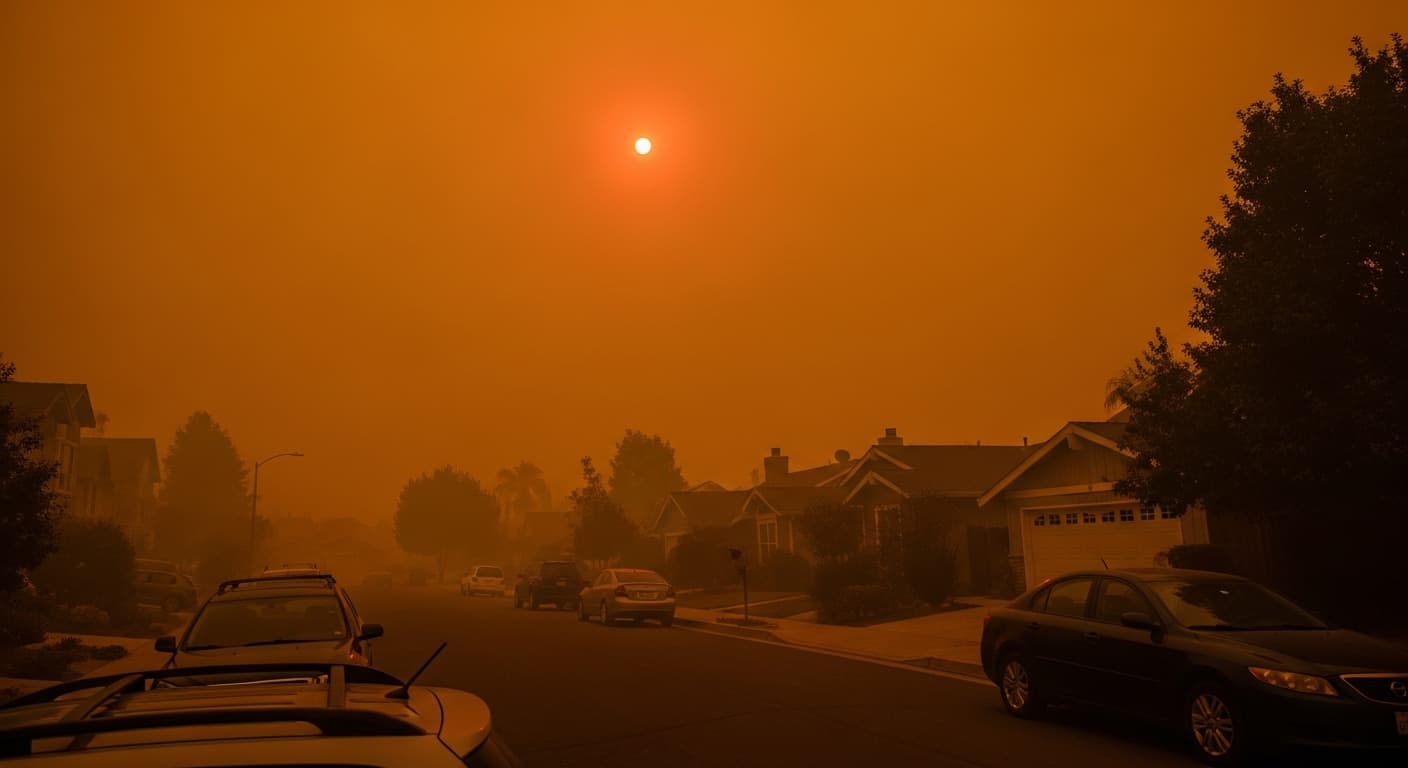
The 2026 Wildfire Smoke Event: What the Air Quality Data Shows
In July 2026, Canadian wildfire smoke put ~120 million people across 16 US states under air quality alerts, with some local AQI readings above the 500 "hazardous" ceiling. A plain-data explainer of how bad it was, what the AQI numbers mean, and what agencies say about breathing through smoke.
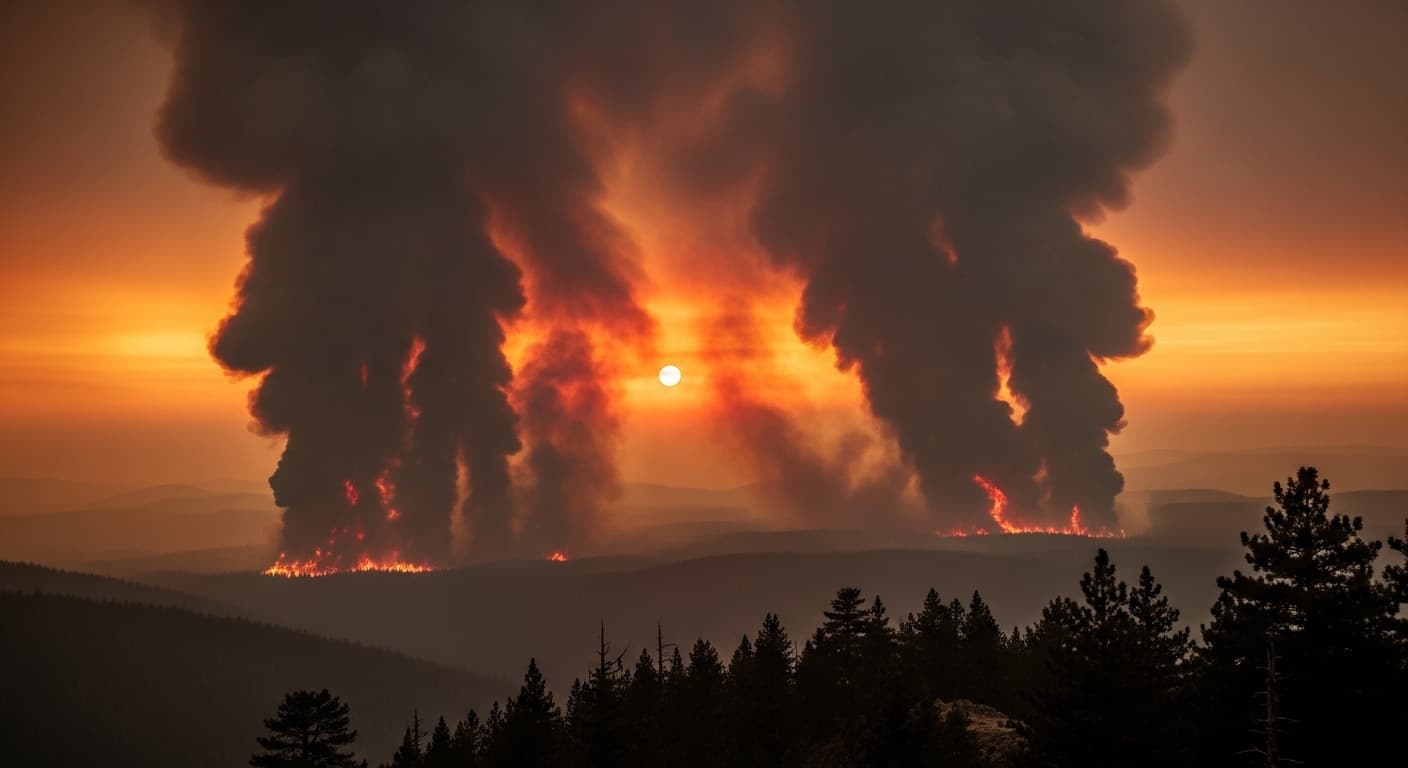
Wildfire Season 2026: Why Respiratory Protection Matters More Than Ever
With wildfire seasons growing longer and more intense, understanding PM2.5 protection has never been more important. Here's what you need to know.
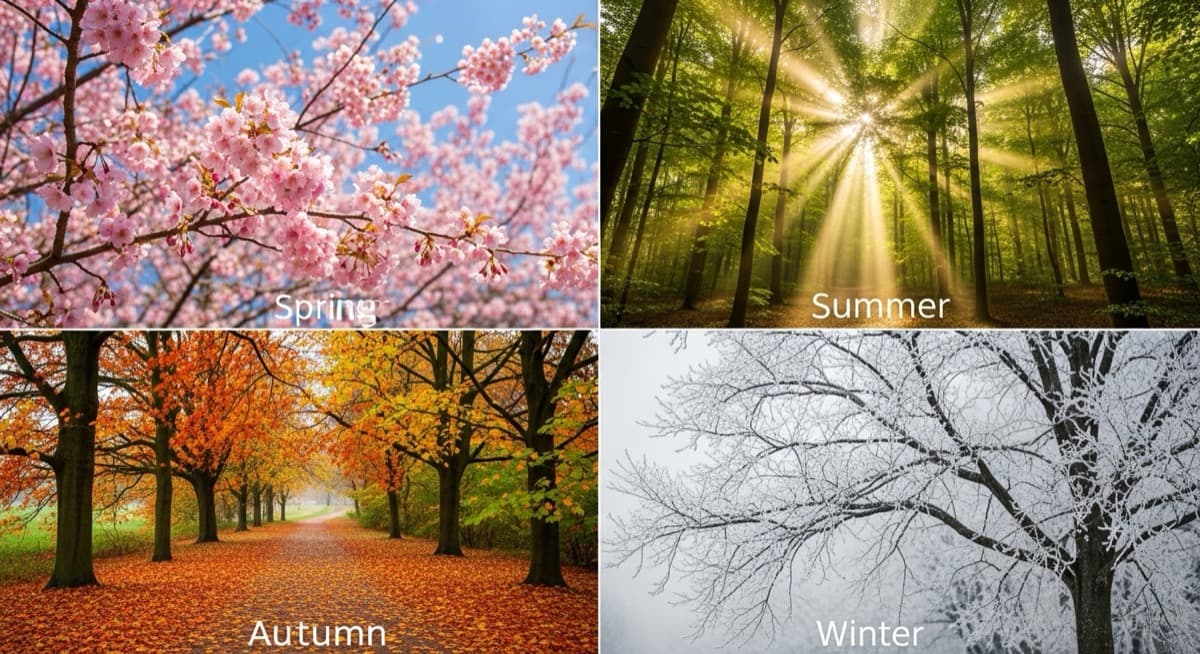
Seasonal Air Quality Guide: Year-Round Protection Strategies
From spring pollen surges to summer wildfire smoke and winter inversions, air quality threats shift with the seasons. Discover how to stay protected all year long with the right strategies and gear.