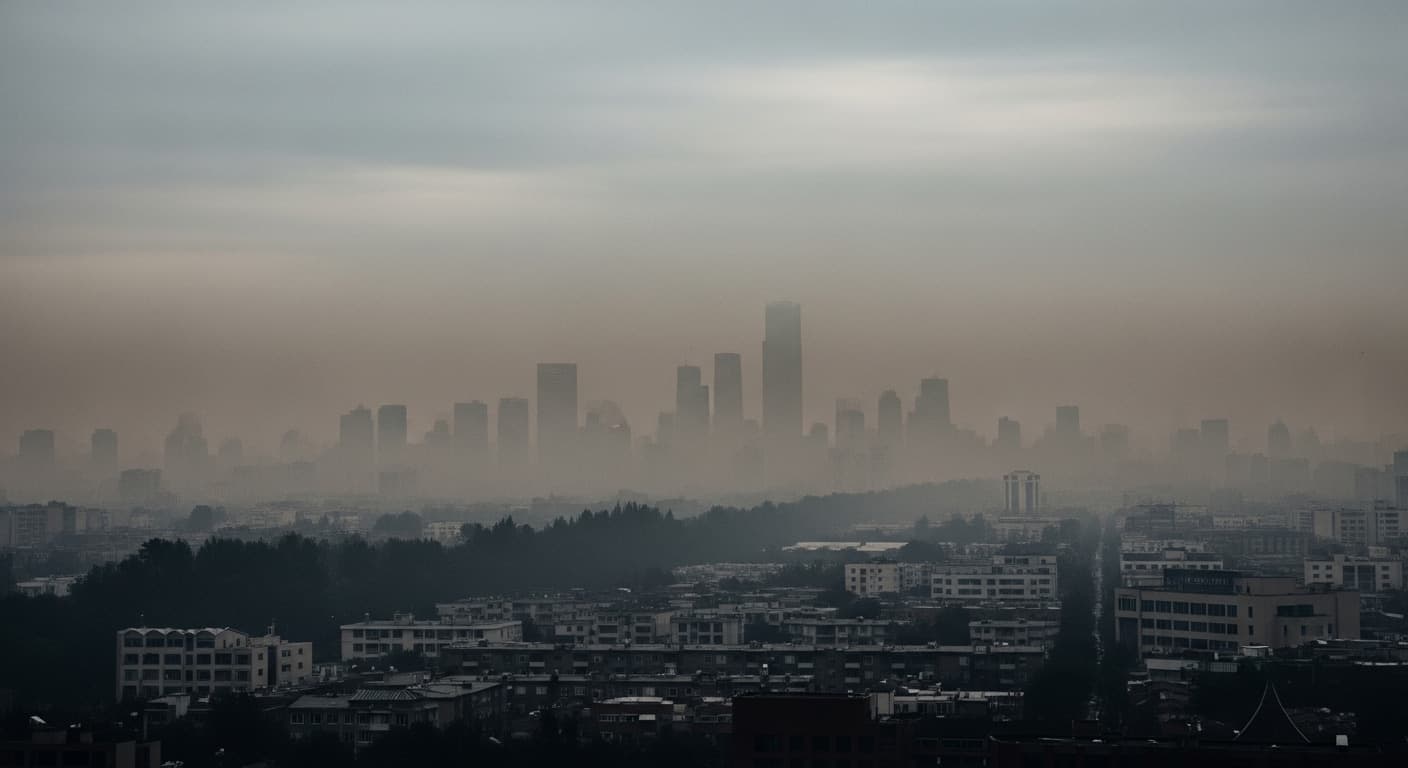
Understanding PM2.5: The Invisible Threat to Your Health
PM2.5 particles are too small to see, but their impact on your lungs, heart, and brain is anything but invisible. Learn what PM2.5 is, where it comes from, and how to protect yourself every day.
Every breath you take draws in thousands of microscopic particles. Most are harmless. But a category of airborne particulate matter known as PM2.5 — particles with a diameter of 2.5 micrometers or smaller — represents one of the most pervasive and underappreciated health threats of the modern era. Invisible to the naked eye, these particles are small enough to bypass your body's natural defenses and lodge deep in your lungs, and in many cases, cross into your bloodstream.
Enter your ZIP code in our free air quality tool to see the live AQI near you, pulled from EPA AirNow, with plain-language guidance for children, sensitive groups, and outdoor workers.
What Exactly Is PM2.5?
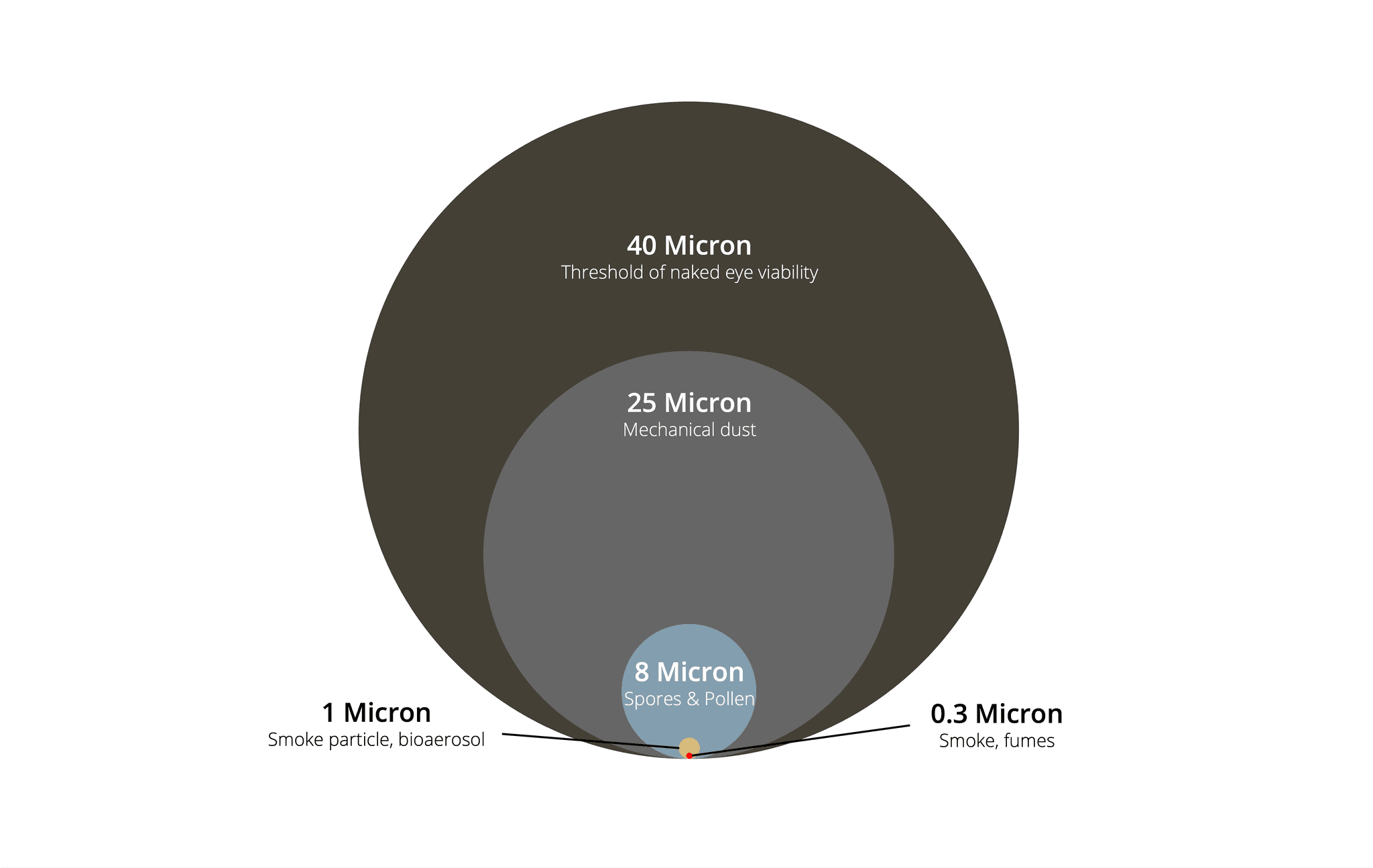
PM2.5 stands for particulate matter with an aerodynamic diameter of 2.5 micrometers or less. To put that in perspective, a single strand of human hair is roughly 70 micrometers in diameter, meaning PM2.5 particles are at least 28 times smaller. These particles are a complex mixture of solid and liquid droplets composed of organic chemicals, metals, acids, soil, and dust. They originate from both natural and human-made sources.
Where Does PM2.5 Come From?
PM2.5 pollution comes from a wide range of sources. Some are obvious — vehicle exhaust, industrial smokestacks, and wildfire smoke are among the most significant contributors. But many sources are less intuitive. Cooking with gas stoves, burning candles or incense, and even laser printers generate PM2.5 indoors. Road dust, agricultural burning, and construction activity are major outdoor contributors. Secondary PM2.5 forms in the atmosphere when gases like sulfur dioxide and nitrogen oxides undergo chemical reactions.
- Vehicle emissions — exhaust from gasoline and diesel engines
- Wildfire and agricultural burning, a growing seasonal threat
- Industrial processes — power plants, refineries, manufacturing
- Indoor sources — cooking, heating, candles, incense, tobacco smoke
- Construction and road dust — disturbed soil and demolition debris
- Secondary formation — chemical reactions between gaseous pollutants in the atmosphere
How PM2.5 Affects Your Body
The reason PM2.5 is so dangerous comes down to size. Larger particles — like pollen or visible dust — are trapped by your nose and throat before they reach your lungs. PM2.5 particles, however, are small enough to travel deep into the bronchioles and alveoli, the tiny air sacs where oxygen enters your bloodstream. Some ultrafine particles can even cross the alveolar membrane and enter the circulatory system, reaching organs throughout the body.
Even brief exposure to elevated PM2.5 levels can trigger asthma attacks, aggravate existing heart and lung conditions, cause coughing and shortness of breath, and irritate the eyes, nose, and throat. People with pre-existing cardiovascular or respiratory conditions are especially vulnerable.
Long-Term Health Consequences
Chronic exposure to PM2.5 is associated with reduced lung function, the development of chronic bronchitis and asthma, increased risk of lung cancer, and elevated rates of heart attack and stroke. Research published in the New England Journal of Medicine and The Lancet has consistently found a dose-response relationship, the higher and longer the exposure, the greater the risk. There is no established "safe" threshold for PM2.5 exposure; even levels below regulatory limits carry measurable health risks.
Protecting Yourself from PM2.5
Protection starts with awareness. Monitor your local air quality daily using AQI apps and websites. When PM2.5 levels are elevated, limit outdoor exertion, keep windows closed, and run HEPA air purifiers indoors. But for the times when you must be outside — commuting, exercising, or simply going about daily life — high-performance respiratory protection is essential.
AirPop masks achieve >97% particle filtration efficiency at the 0.3μm particle size — well below PM2.5. The 3D Aerodome structure combined with a 360° face seal ensures that air passes through the filter, not around it. This matters because even the best filter media is useless if the mask leaks at the edges.
Related Article
Wildfire Season 2026
Wildfire smoke is one of the biggest PM2.5 sources — here is how to prepare.
Why Awareness Is Not Enough
The insidious nature of PM2.5 is that you cannot see it, smell it, or feel it entering your lungs. On days when the sky appears perfectly clear, PM2.5 concentrations can still exceed safe levels by several times. Unlike smoke or smog, fine particulate matter does not always announce its presence. This is why consistent monitoring and proactive protection are so important — by the time you notice symptoms, the exposure has already occurred.
“PM2.5 is the single largest environmental health risk globally, responsible for more premature deaths than any other pollutant.”
— [World Health Organization](https://www.who.int/)
Related Article
The Science of Filtration
How advanced filtration technology captures 97% of PM2.5 particles.
About the author
Jett FuCo-Founder & CEO, AirPop
Cross-border entrepreneur and co-founder of AirPop. Leads global operations, retail expansion across 35+ markets, and B2B distribution partnerships with Target, Amazon, and Best Buy.
See Our Filtration Technology
Learn how AirPop filters >97% of PM2.5 particles.
See Our Filtration TechnologyRelated Articles
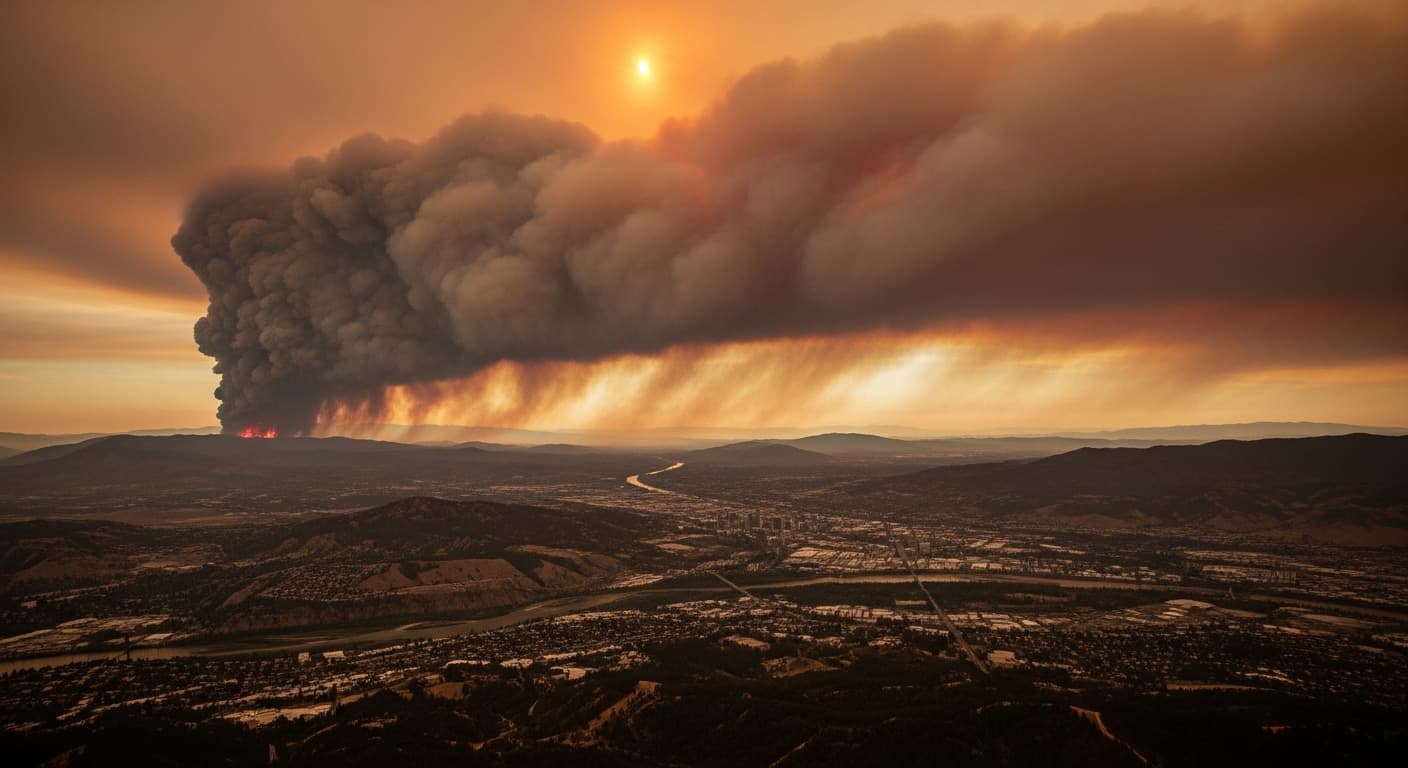
2026 Wildfire Season Forecast: What NIFC Predictions Mean for Your Health
NIFC forecasts above-normal wildfire potential across the Southwest, Great Basin, California, and southern Plains for summer 2026. With 1.6 million acres already burned and 50% of the U.S. in drought, here is what the predictions mean for respiratory health and how to prepare.
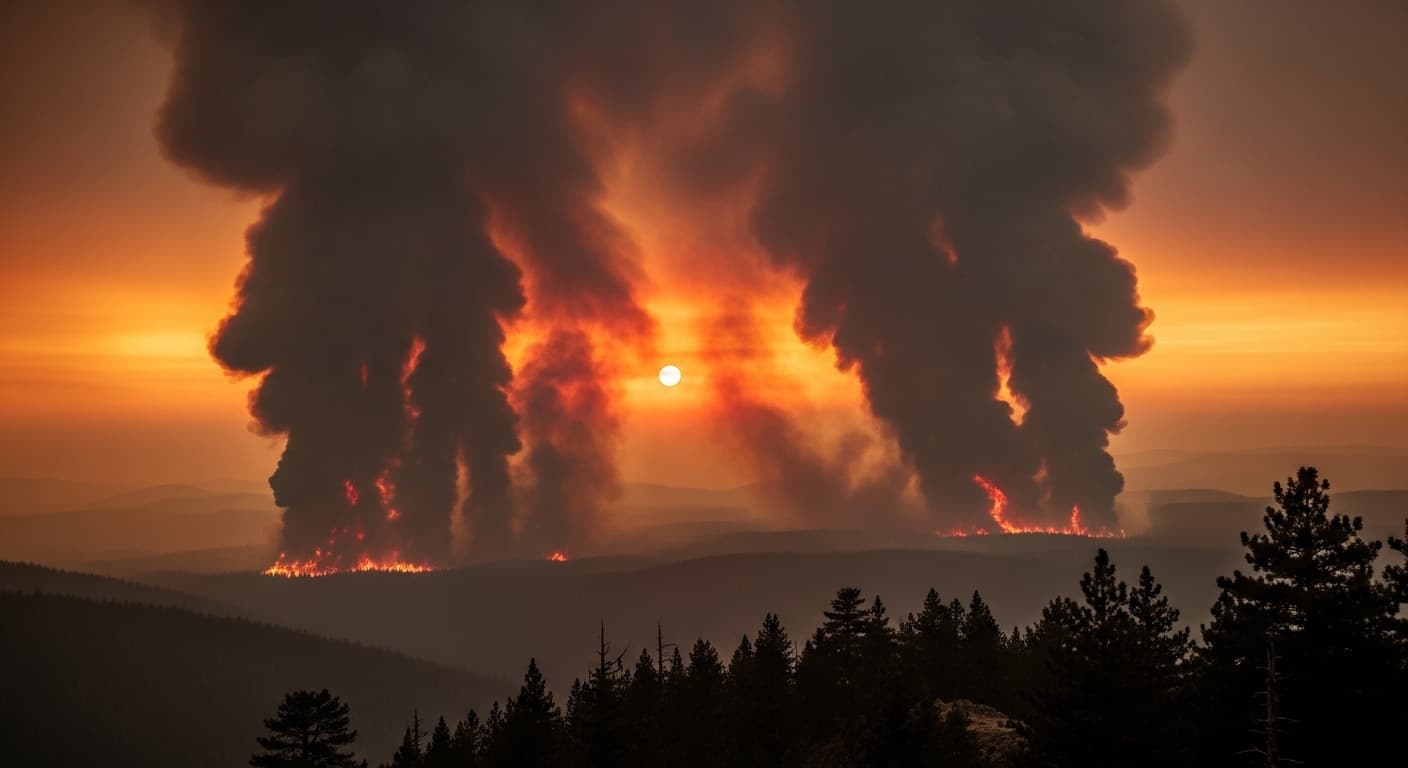
Wildfire Season 2026: Why Respiratory Protection Matters More Than Ever
With wildfire seasons growing longer and more intense, understanding PM2.5 protection has never been more important. Here's what you need to know.
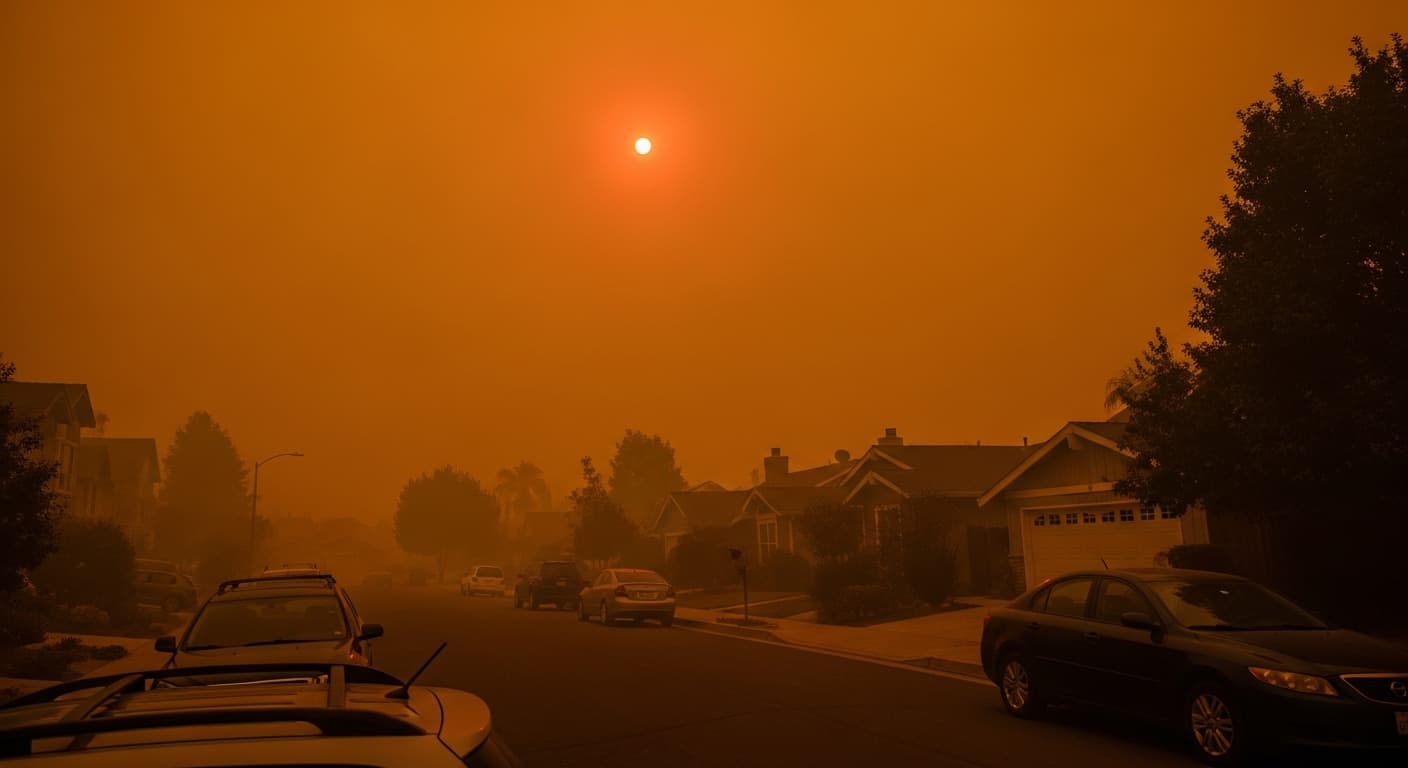
The 2026 Wildfire Smoke Event: What the Air Quality Data Shows
In July 2026, Canadian wildfire smoke put ~120 million people across 16 US states under air quality alerts, with some local AQI readings above the 500 "hazardous" ceiling. A plain-data explainer of how bad it was, what the AQI numbers mean, and what agencies say about breathing through smoke.