Indoor Air Quality and Workplace Respiratory Protection: What Facility Managers Need to Know
Indoor air can be 2-5x more polluted than outdoor air. With ASTM F3502-21, a standard written for barrier face coverings, facility managers and corporate wellness leaders have a clear framework for protecting employees.
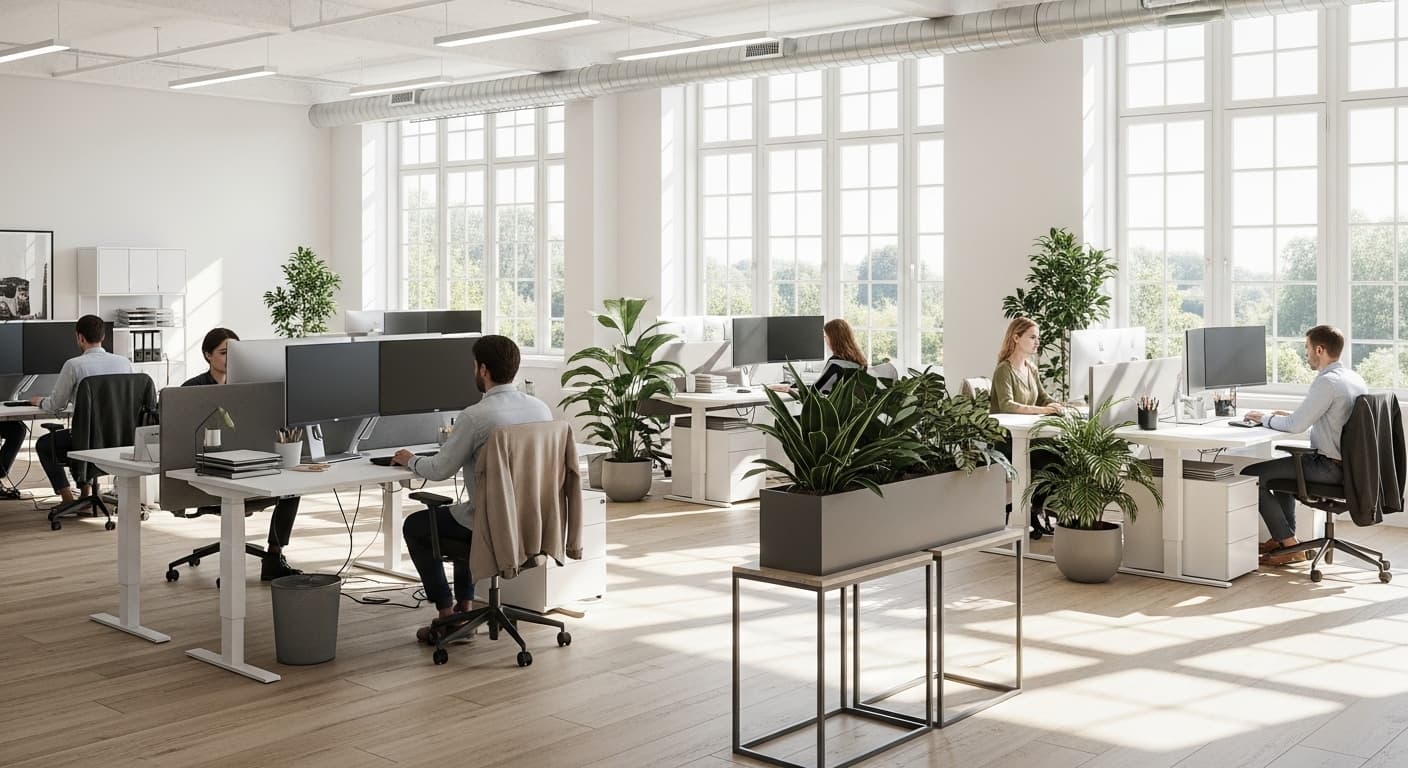
Americans spend approximately 90% of their time indoors — in offices, warehouses, schools, and retail environments. Yet indoor air can be 2 to 5 times more polluted than outdoor air, according to the EPA. For facility managers and corporate wellness leaders, this creates a growing liability: employees exposed to poor indoor air quality experience higher rates of illness, lower productivity, and increased absenteeism. ASTM F3502-21 now provides a clear, testable framework for addressing this challenge.
The Hidden Cost of Poor Indoor Air Quality
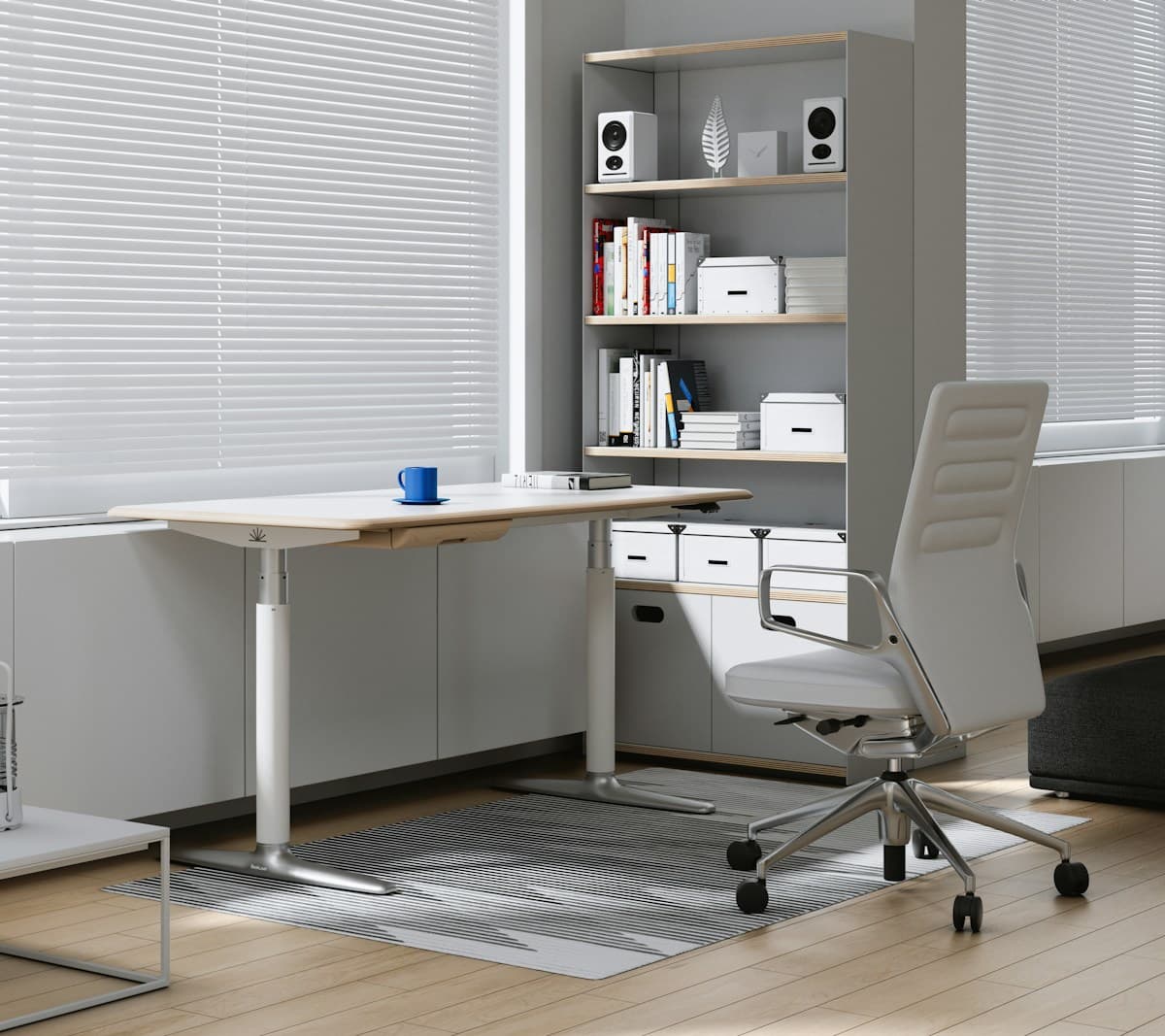
Poor indoor air quality is not just an employee comfort issue. It is a business cost. The EPA and Department of Energy estimate that poor IAQ costs U.S. businesses over $150 billion per year in reduced productivity and sick days. Workers in environments with high concentrations of PM2.5, volatile organic compounds (VOCs), and bioaerosols report higher rates of headaches, fatigue, respiratory illness, and difficulty concentrating. For facility managers, these costs show up as higher absenteeism, reduced output, and increasing healthcare claims.
A Harvard T.H. Chan School of Public Health study found that workers in well-ventilated buildings with lower pollutant levels scored 61% higher on cognitive function tests than those in conventional buildings. Indoor air quality directly affects decision-making, problem-solving, and focus.
Common Indoor Air Pollutants in the Workplace
- PM2.5 and PM10 from HVAC systems, cooking, cleaning, and outdoor infiltration — fine particles that penetrate deep into the lungs
- Volatile organic compounds (VOCs) from office furniture, carpeting, cleaning products, printers, and building materials
- Bioaerosols including viruses, bacteria, and mold spores, especially problematic in older buildings with inadequate ventilation
- Carbon dioxide (CO2) buildup in meeting rooms and open offices — elevated CO2 impairs cognitive function at concentrations above 1,000 ppm
- Ozone from laser printers, copiers, and UV cleaning systems, a respiratory irritant at workplace-relevant concentrations
Related Article
AQI Explained
How to measure and interpret indoor air quality readings.
ASTM F3502: The Workplace Protection Standard
ASTM F3502-21 was written for barrier face coverings in everyday and workplace use. Unlike occupational NIOSH N95 standards (which require fit testing and are designed for specific industrial hazards), ASTM F3502 grades the metrics that matter most for everyday workplace protection: sub-micron particle filtration efficiency and breathing resistance (so workers can wear protection comfortably for full shifts), each on two levels. Level 2 filtration requires at least 50% sub-micron PFE on the whole mask.
ASTM F3502-21 balances protection with wearability. Unlike N95 respirators, which are designed for hazardous occupational environments and require fit testing — ASTM F3502 products are designed for everyday workplace use with no fit testing requirement. This makes deployment across an entire workforce practical and cost-effective.
Related Article
ASTM F3502-21 Explained
The two axes of ASTM F3502-21 explained.
Building a Corporate Respiratory Protection Program
- 1Audit your indoor air quality: deploy IAQ monitors across your facility to establish baseline PM2.5, CO2, and VOC levels. Identify problem areas and peak exposure times.
- 2Set a protection standard: adopt ASTM F3502-21 Level 2 filtration as your minimum requirement for any respiratory protection products provided to employees.
- 3Source certified products: partner with brands that hold an ASTM F3502-21 report and can provide third-party test reports from accredited laboratories.
- 4Educate employees: provide training on when and how to use respiratory protection — during high AQI days, in poorly ventilated areas, during allergy and flu seasons, and in shared spaces during heightened illness activity.
- 5Monitor and report: track IAQ metrics, respiratory illness rates, and absenteeism before and after implementing a protection program. Use data to demonstrate ROI to leadership.
Industries Leading the Way
Several industries are already adopting formalized respiratory protection programs for their workforce. Healthcare facilities have long maintained respiratory protection standards and are expanding beyond clinical settings to administrative and support areas. Warehousing and logistics operations face persistent PM2.5 exposure from truck exhaust, forklift emissions, and dust. Educational institutions are implementing protection programs to reduce illness transmission and absenteeism among staff and students. Food service environments contend with cooking aerosols, cleaning chemical vapors, and high-density customer interactions. Corporate offices, particularly in cities with recurring air quality events — are incorporating respiratory protection into their wellness benefit offerings.
The ROI of Respiratory Protection
For facility managers and CFOs evaluating the investment, the numbers are compelling. Respiratory illness is the leading cause of workplace absenteeism, costing employers an average of $1,685 per employee per year. A respiratory protection program using ASTM F3502-certified products can reduce respiratory illness rates by 40-60% in high-exposure environments. The cost of providing premium respiratory protection — approximately $5-10 per employee per month — represents a fraction of the absenteeism, healthcare, and productivity costs it prevents.
AirPop offers ASTM F3502-21 certified protection (Intertek) with competitive pricing for corporate and institutional buyers. Request a bulk quote or contact hello@getairpop.com to discuss volume pricing and corporate wellness packages.
About the author
Jett FuCo-Founder & CEO, AirPop
Cross-border entrepreneur and co-founder of AirPop. Leads global operations, retail expansion across 35+ markets, and B2B distribution partnerships with Target, Amazon, and Best Buy.
Explore Workplace Solutions
ASTM F3502-21 certified protection for your team.
Explore Workplace SolutionsRelated Articles
Wildfire Smoke Indoors: How to Protect Your Home When the AQI Spikes
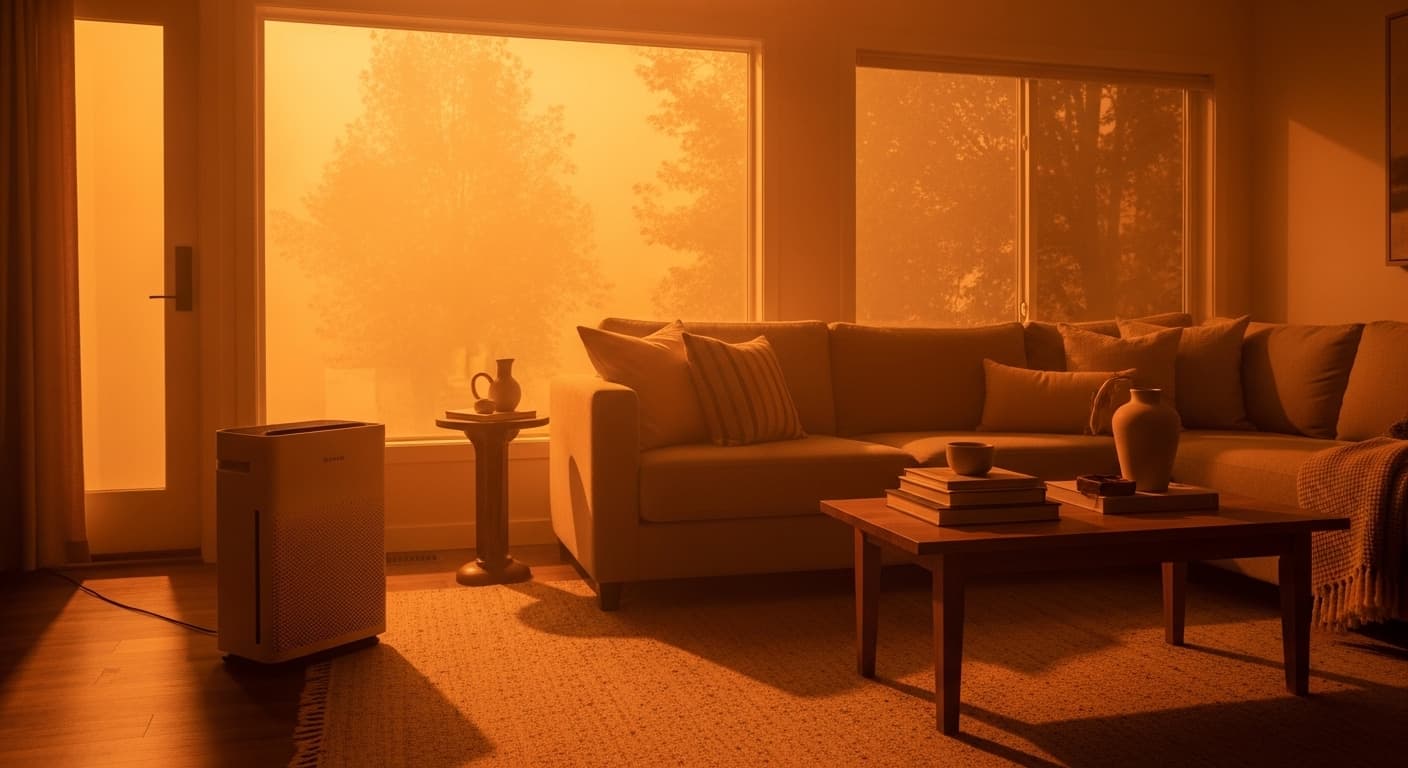
Indoor PM2.5 can reach 50-70% of outdoor levels during wildfire smoke events without mitigation. Sealing your home, upgrading HVAC filters to MERV 13+, and running HEPA purifiers can reduce indoor smoke exposure by 60-80%. Here is the complete layered protection strategy.
The 2026 Wildfire Smoke Event: What the Air Quality Data Shows
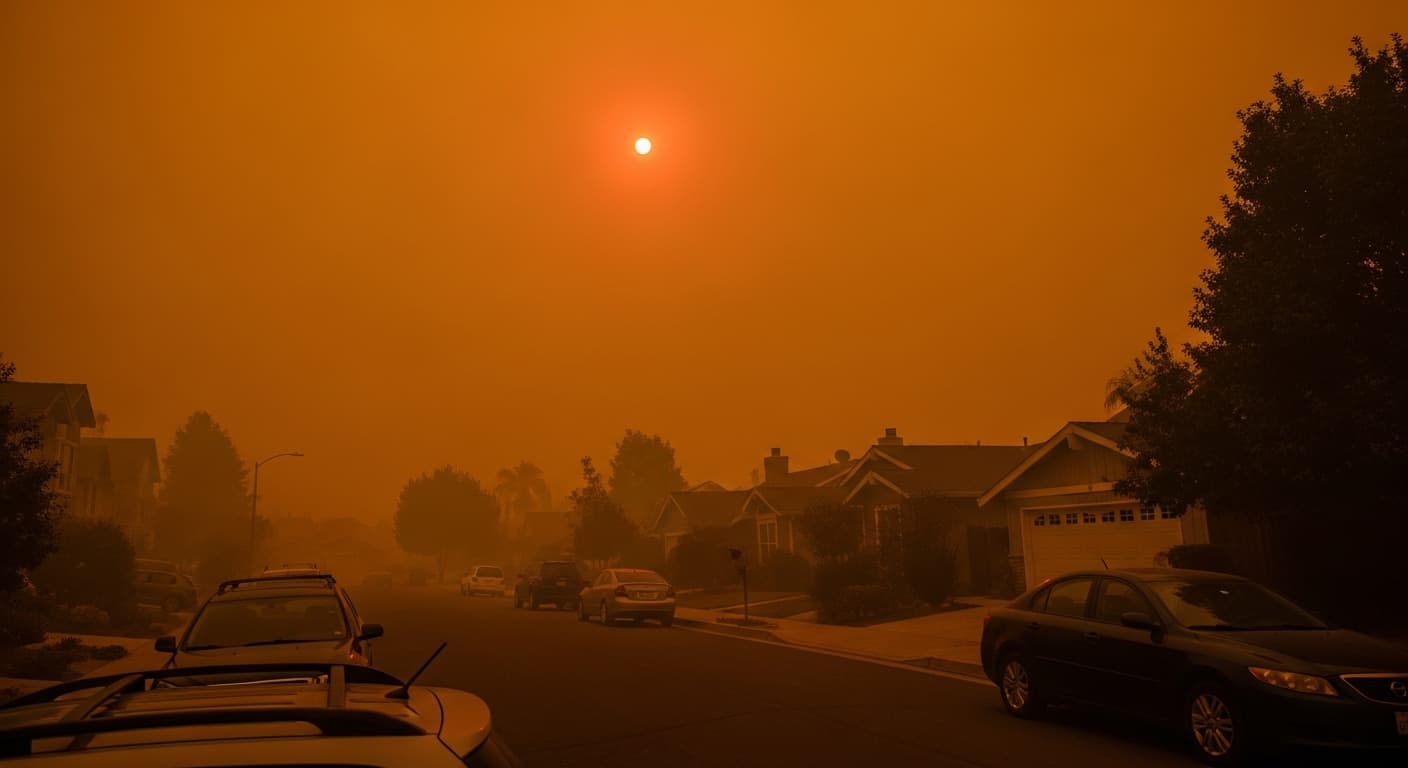
In July 2026, Canadian wildfire smoke put ~120 million people across 16 US states under air quality alerts, with some local AQI readings above the 500 "hazardous" ceiling. A plain-data explainer of how bad it was, what the AQI numbers mean, and what agencies say about breathing through smoke.
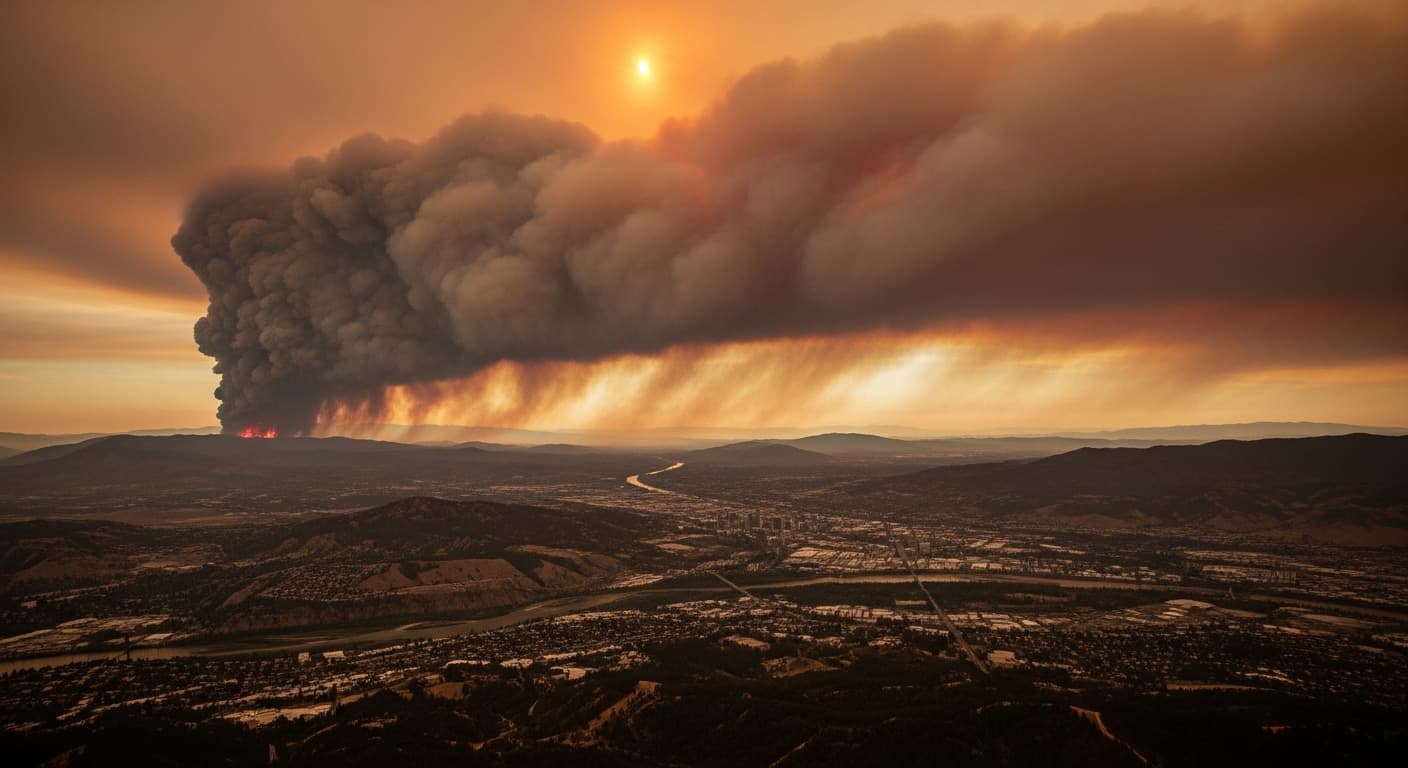
2026 Wildfire Season Forecast: What NIFC Predictions Mean for Your Health
NIFC forecasts above-normal wildfire potential across the Southwest, Great Basin, California, and southern Plains for summer 2026. With 1.6 million acres already burned and 50% of the U.S. in drought, here is what the predictions mean for respiratory health and how to prepare.