
Wholesale Respiratory Protection: A Complete Guide for Distributors and Retailers
Everything distributors and retailers need to know about sourcing premium respiratory protection — from ASTM F3502-21 compliance and global certifications to finding a supplier with proven retail sell-through.
The global respiratory protection market is projected to exceed $12 billion by 2028, driven by wildfire seasons, public health resilience, urban air pollution, and growing consumer health awareness. For distributors and retailers, premium respiratory protection represents one of the strongest growth categories in personal protective equipment. But sourcing a premium respiratory protection brand — one with genuine certifications, proven retail sell-through, and consistent quality — requires due diligence.

Why Wholesale Respiratory Protection Is a Growth Opportunity
Unlike disposable surgical masks, which have become a commodity with razor-thin margins — premium ASTM F3502-certified masks occupy a distinct market position. They offer higher filtration performance, reusability, and brand differentiation. Consumers are willing to pay $19.99-24.99 for a trusted respiratory protection brand versus $0.50 for a generic surgical mask. This pricing power translates directly into better margins for distributors and retailers.
Demand is also year-round. Wildfire season drives summer and fall purchases. Cold and flu season drives winter demand. Travel and allergy seasons create spring and summer peaks. Urban air pollution is a constant baseline. Unlike single-event spikes, this demand is structural and recurring, the foundation for a sustainable wholesale business.
What to Look for in a Respiratory Protection Supplier
The respiratory protection market has a quality problem. When the CDC tested KN95 masks from various manufacturers, approximately 60% failed to meet the 95% filtration claim. As a distributor, your reputation is on the line with every product you source. Here are the critical factors to evaluate when selecting a wholesale respiratory protection supplier.
- 1Third-party test reports from accredited labs (not self-reported claims). Ask for NIOSH, Nelson Labs, or Intertek reports.
- 2Multiple certifications across regions: ASTM F3502 (US), KN95/GB2626 (China), CE/FFP2 (EU), BSI Kitemark (UK).
- 3Proven retail track record. Has the brand sold through major retailers? What is the sell-through velocity?
- 4Consistent supply chain. Can the supplier maintain quality and delivery across seasons and demand spikes?
- 5Brand investment. Does the supplier invest in marketing, design, and brand building, or just manufacture commodity product?
- 6Regulatory compliance. Is the product FDA registered? Does it carry an ASTM F3502-21 report, and at which level on each axis?
A single batch of failed product can destroy retailer relationships and generate costly returns. Always request current test reports, verify certifications independently, and order samples before committing to a wholesale agreement.
Understanding Respiratory Protection Certifications
For distributors selling into the U.S. market, ASTM F3502-21, the American standard for barrier face coverings — is the certification that matters most. The report states a level for filtration efficiency and one for air flow resistance; read the measured figures behind them. Beyond ASTM F3502, global certifications like KN95 (China's GB2626-2019, requiring ≥95% filtration at 0.3μm), CE FFP2 (Europe), and BSI Kitemark (UK) demonstrate compliance across international regulatory frameworks and strengthen retailer confidence.
- ASTM F3502-21: U.S. standard, Level 2 filtration requires ≥50% sub-micron PFE, the benchmark for U.S. retail buyers
- NIOSH N95: U.S. occupational standard, ≥95% PFE, the "gold standard" for comparison
- KN95 (GB2626-2019): Chinese standard, ≥95% PFE, required for Chinese market sales
- CE EN 149 FFP2: European standard, ≥94% PFE, required for EU market distribution
- BSI Kitemark: Voluntary UK quality mark with ongoing production audits — premium positioning
- FDA Registration: Required for U.S. medical claims, demonstrates regulatory compliance
Related Article
Global Respiratory Standards Compared: KN95 vs N95 vs KF94
Understand the differences between global standards for smarter sourcing.
Pricing and Margin Considerations
Premium respiratory protection brands like AirPop retail at $19.99-24.99, compared to $5-10 for generic options and under $1 for commodity surgical masks. The higher retail price point means higher absolute margins per unit for distributors, even at competitive wholesale pricing. The key is positioning: premium respiratory protection masks sell in the health and wellness aisle alongside vitamins and supplements, not in the industrial PPE section. This placement drives higher traffic and impulse purchases.
Year-Round Demand Drivers
- Wildfire season (May-October): Smoke events affecting major metro areas drive acute demand spikes
- Cold and flu season (October-March): Health-conscious consumers seeking proven respiratory protection
- Allergy season (March-June): Pollen protection for outdoor activities and commuting
- Travel (year-round): Airport, airline, and hotel environments driving consistent baseline demand
- Urban air pollution (year-round): AQI-aware consumers in cities monitoring daily air quality
- Public health resilience (year-round): Consumers maintaining stockpiles as a precautionary habit
Why AirPop Is the Distributor's Choice
AirPop is certified to ASTM F3502-21 (Intertek) and tested to KN95 (GB 2626-2019, SGS) and AFNOR SPEC S76-001 (BSI type test). More importantly, it is validated at Target stores nationwide with proven multi-year retail velocity. For distributors, this means a brand that has already been vetted by the most demanding retail buyer in America.
AirPop offers competitive wholesale pricing, marketing support, POS materials, and dedicated account management. Contact hello@getairpop.com or visit our partner page to start a conversation.
Related Article
The Retail Playbook
Category strategy for respiratory protection retail success.
About the author
Jett FuCo-Founder & CEO, AirPop
Cross-border entrepreneur and co-founder of AirPop. Leads global operations, retail expansion across 35+ markets, and B2B distribution partnerships with Target, Amazon, and Best Buy.
Become a Partner
Ready to stock a premium respiratory protection brand? Start a conversation with AirPop.
Become a PartnerRelated Articles
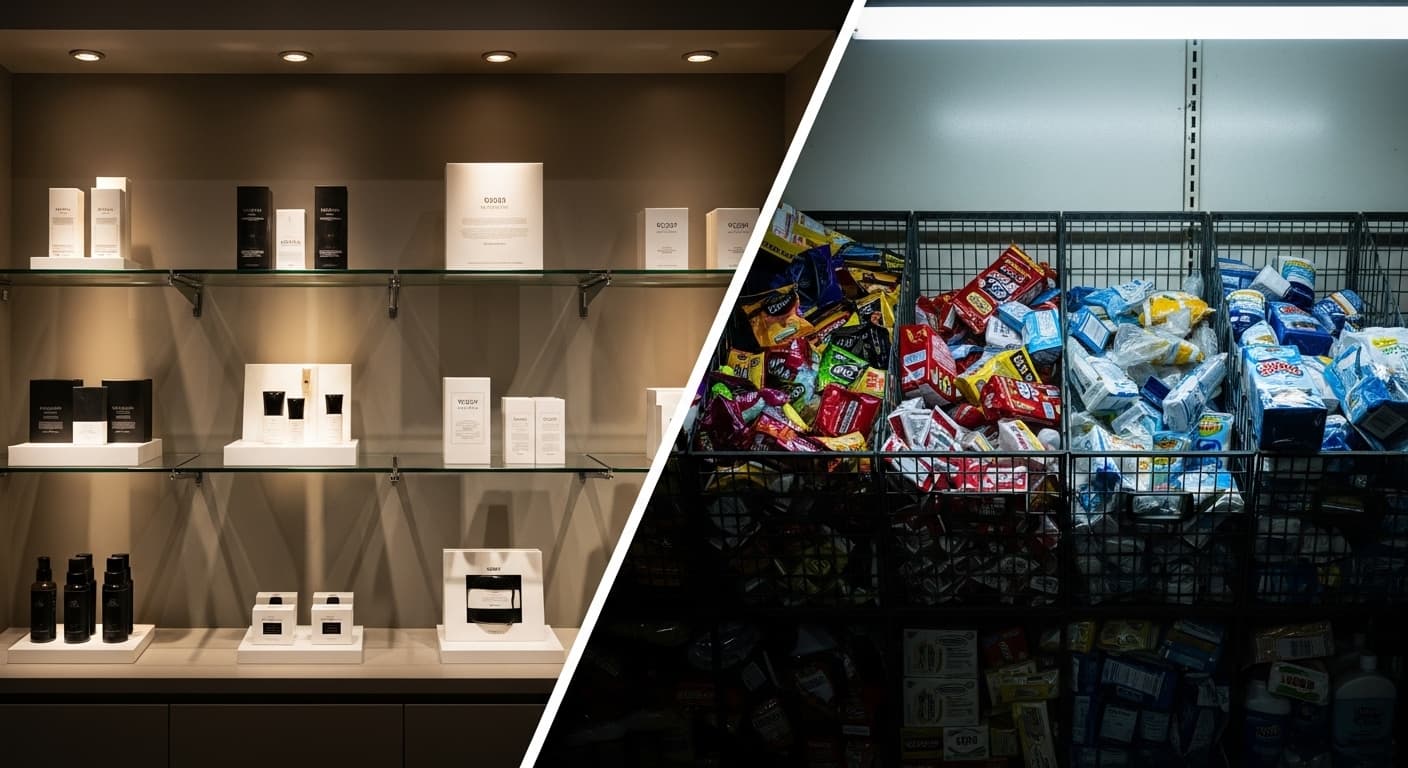
The Hidden Cost of Cheap Masks: Why Premium Respiratory Protection Wins at Retail
When 60% of budget masks fail filtration claims, the true cost is not just health risk — it is returns, lost trust, and missed margin. Here is why premium ASTM F3502-21 certified products outperform at every level.

The Respiratory Protection Merchandising Calendar: When to Stock What
Respiratory protection demand is not random — it follows predictable seasonal patterns driven by flu season, allergy cycles, wildfire smoke, and back-to-school. This calendar helps retailers plan inventory year-round.
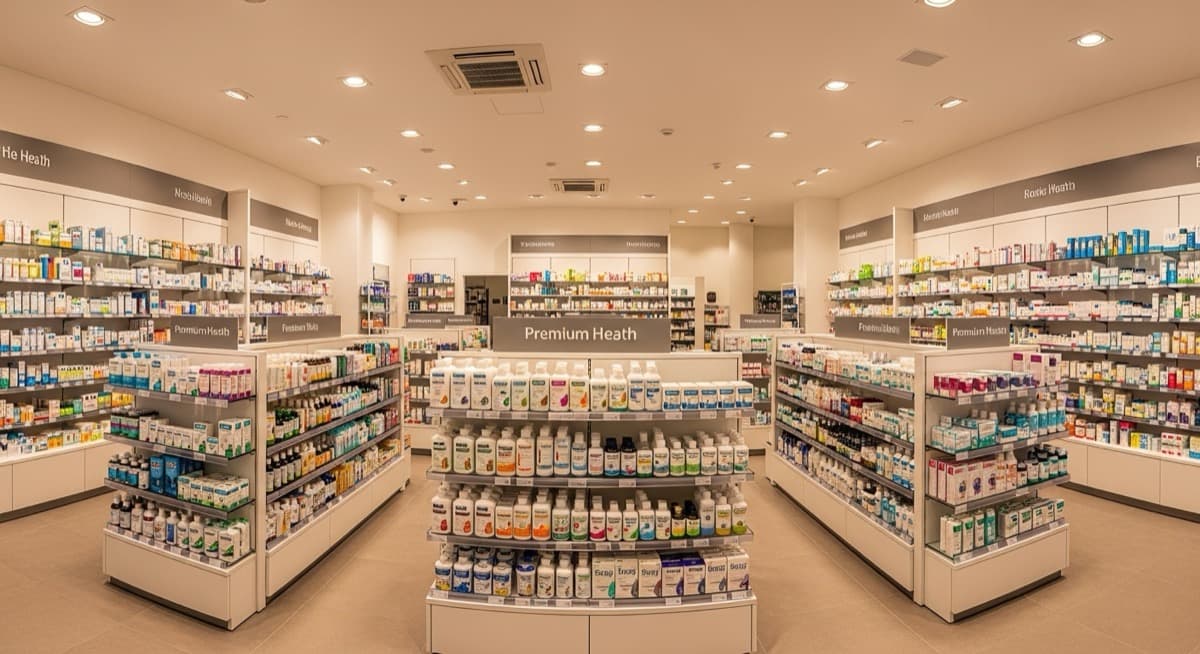
The Retail Playbook: How to Win in Respiratory Protection
From seasonal demand cycles to category positioning and certification requirements — everything retail buyers and category managers need to know about building a respiratory protection assortment that sells.