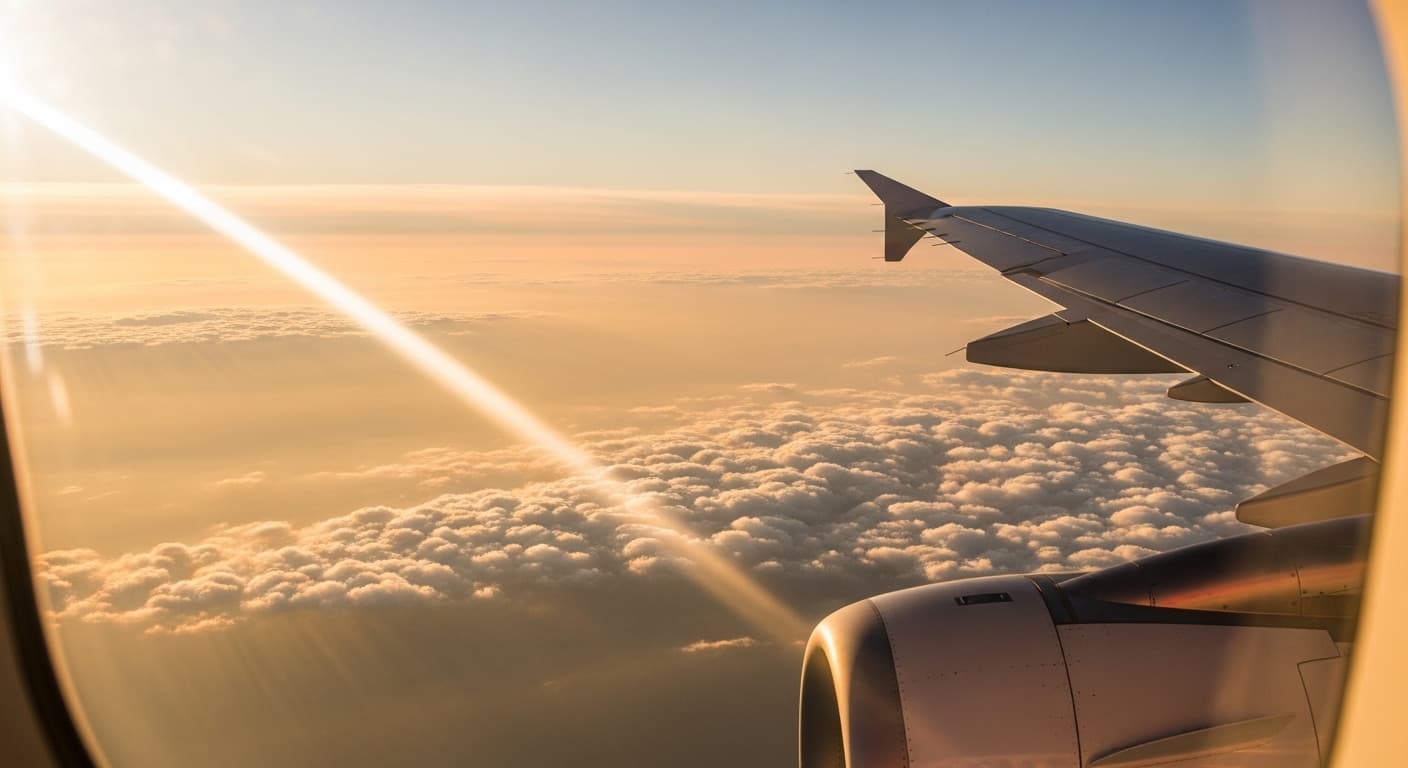
The Frequent Flyer's Guide to Respiratory Protection
Airports recirculate air every 2-3 minutes, but crowded terminals remain high-exposure zones. This guide covers which masks work best for flights, layovers, and long-haul travel comfort.
Air travel exposes you to a unique set of respiratory challenges. Recycled cabin air, crowded terminals, close-quarters seating, and rapid transitions between different environments all increase your exposure to airborne pathogens and pollutants. For frequent flyers, consistent respiratory protection is a practical investment in health.
Why Airplanes Are High-Risk Environments
Modern aircraft cabin air is recirculated and filtered through HEPA systems that capture 99.97% of particles. However, these systems only filter air that reaches them. They do not protect you from the person coughing in the seat next to you.
Studies show that passengers seated within two rows of an infected person have a significantly higher risk of exposure. The highest risk occurs during boarding and deplaning when ventilation systems are less effective.
Choosing the Right Protection
For travel, you need a mask that balances three factors: filtration efficiency, breathability (you will be wearing it for hours), and portability (it needs to survive being packed). AirPop Light SE was designed with exactly this use case in mind. At >97% filtration with 2x N95 breathability, it delivers the protection of an industrial mask with the comfort of a consumer product.
Travel Tips for Better Protection
- 1Wear your mask throughout the entire flight, not just during boarding
- 2Keep it on in airport terminals and ground transportation
- 3Carry a spare mask in case yours becomes damp or damaged
- 4Stay hydrated and take mask breaks in uncrowded areas when needed
- 5Check local AQI readings upon arrival at your destination
The AirPop Pocket model was specifically designed for travel — its compact form factor fits easily in a jacket pocket or carry-on.
Beyond the Airplane
Travel protection does not end at the gate. Hotel rooms, conference venues, public transit, and tourist attractions all present respiratory challenges, especially in cities with high pollution levels. Air quality varies dramatically by city and season. Check local AQI readings upon arrival and wear protection when levels are elevated.
“Your health is the most important thing you bring home from any trip.”
Related Article
AirPop Light SE vs. Standard Flat-Fold Masks
The compact, TSA-friendly option compared head-to-head.
About the author
Jett FuCo-Founder & CEO, AirPop
Cross-border entrepreneur and co-founder of AirPop. Leads global operations, retail expansion across 35+ markets, and B2B distribution partnerships with Target, Amazon, and Best Buy.
See Our Travel Solutions
Compact, breathable protection engineered for travel.
See Our Travel SolutionsRelated Articles
Airport Air Quality: What Travelers Need to Know Before Their Next Flight
Airports are unique air quality environments — high passenger density, jet fuel emissions, and recirculated air. Here is what the research says and how to protect yourself.
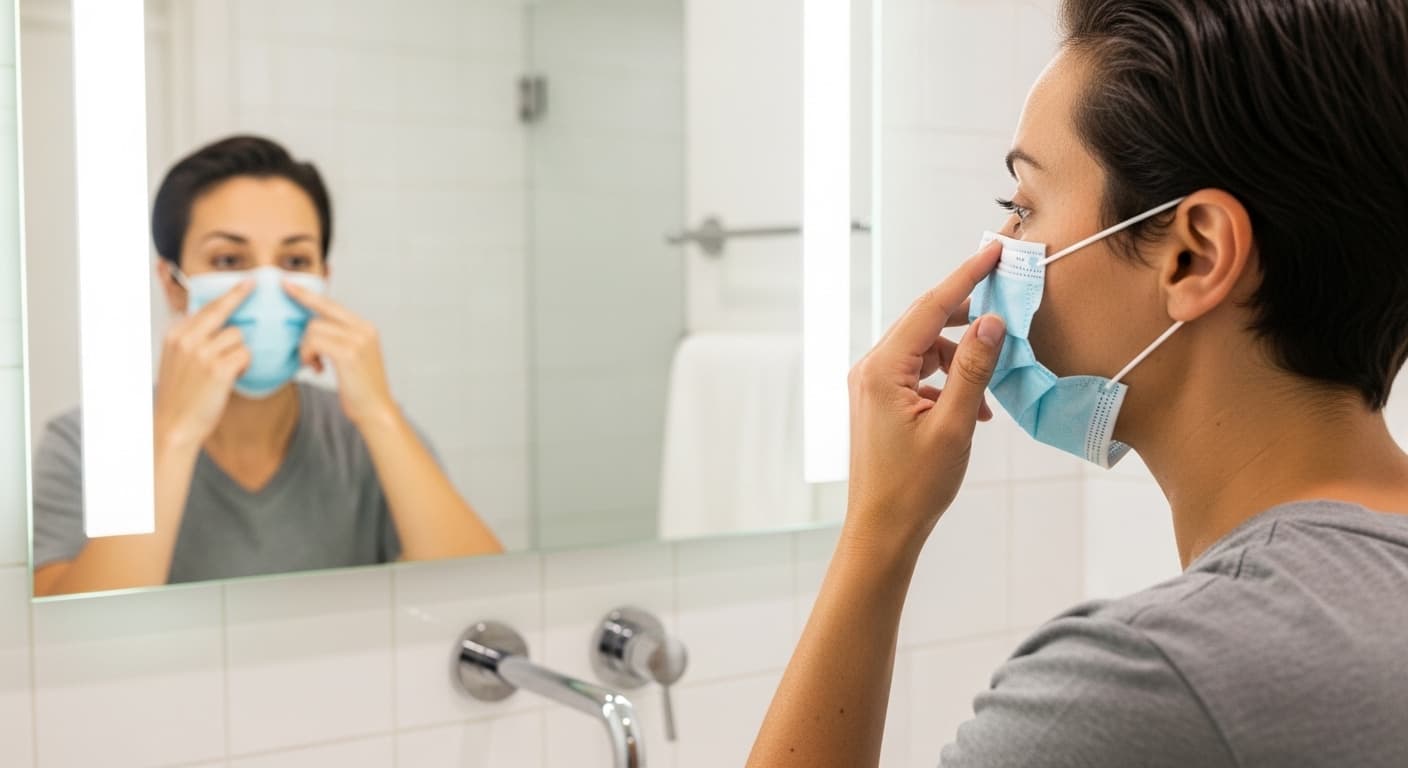
Mask Fit and Seal: How to Know If Your Mask Actually Protects You
A KN95 blocks 99.3% of particles as material and 83.9% once it is on a face. Three one-minute home tests tell you which side of that gap your mask is on.
Why Your Glasses Fog With a Mask On (And What It Tells You)
Fogged glasses are not a glasses problem — they are evidence that warm breath is escaping through a gap at your nose bridge, which is the same gap letting unfiltered air in. Here is why the nose bridge fails on most masks, what the popular fixes actually do, and why anti-fog spray is the worst of them.